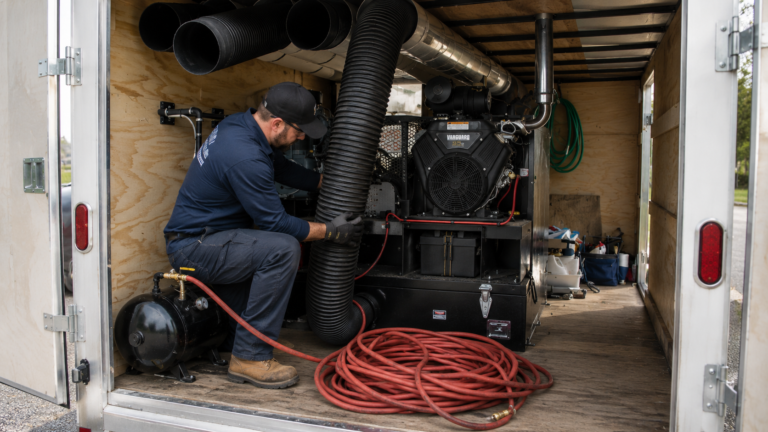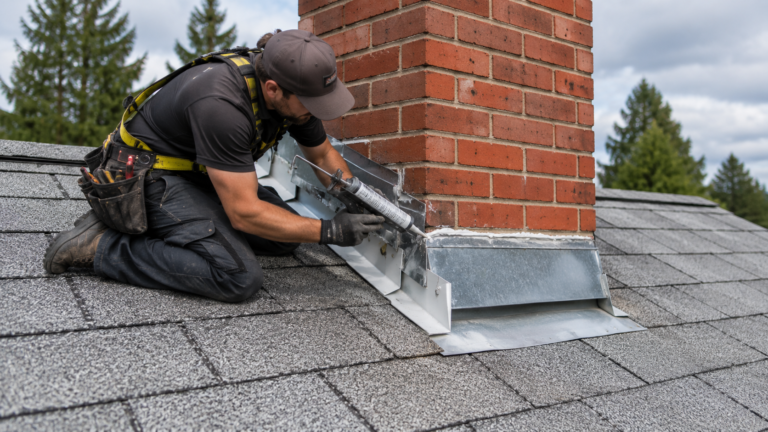
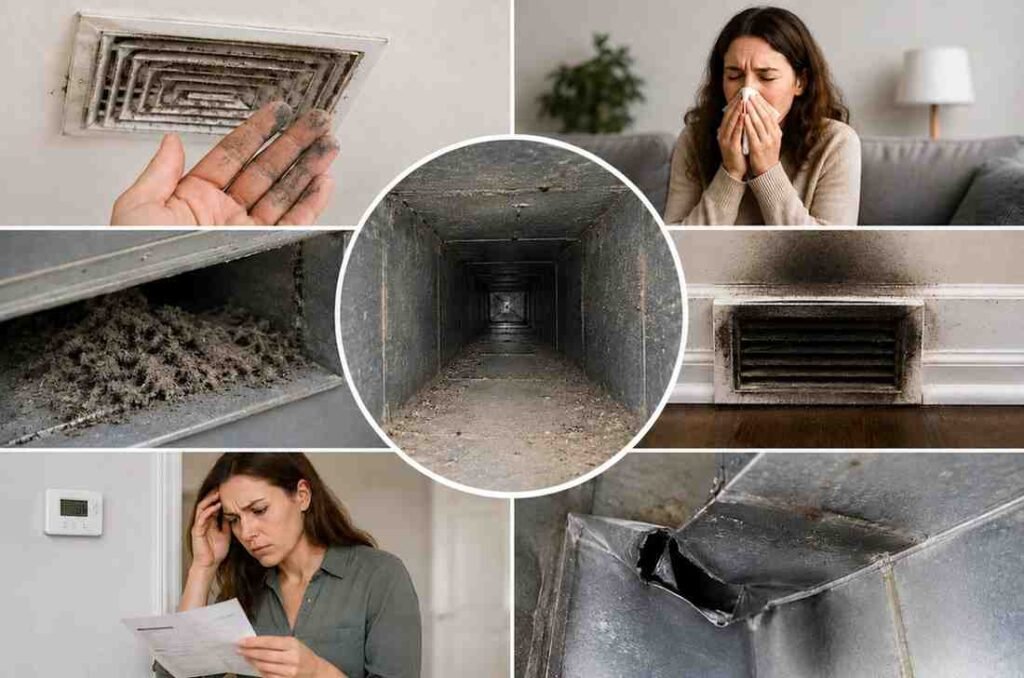
For property owners living on the South Shore of Massachusetts in towns like Norwell, home maintenance is an essential part of preserving property values. The New England climate brings dramatic seasonal shifts, ranging from freezing winter blizzards to hot, sticky summer months. To stay comfortable, households depend heavily on central heating and cooling machinery. Unfortunately, the complex network of supply and return pipes hidden behind your drywall, ceilings, and crawlspaces is frequently ignored. When this network ages past its prime, it begins to experience severe physical breakdowns that directly impact your indoor air quality and household expenses.
Knowing when to transition from basic maintenance to total component upgrades is critical for managing your home climate control system efficiently. A compromised air distribution network forces your core mechanical units to work overtime, leading to premature mechanical failures and excessive fuel consumption. Understanding the hidden signs of systemic airflow structural failure allows you to make informed decisions about your property comfort before a major breakdown occurs during a severe winter storm.
When you notice systemic indoor comfort issues or an unexplained rise in your energy bills, understanding how to know if air ducts are bad becomes essential. In this comprehensive guide, we will break down the structural, behavioral, and environmental symptoms of failing ventilation, help you navigate the choice between remediation and new installation, and explain why investing in a professional air duct replacement in Norwell is the key to long-term home comfort and safety.
Understanding Your System’s Longevity: How Long Do Air Ducts Last?
Before diving into specific technical failure points, it is helpful to establish a baseline expectation for your ventilation network’s durability. So, exactly how long do air ducts last in a standard residential setting?
On average, the typical residential air duct lifespan ranges between 10 to 15 years before the structural components begin to break down significantly. While specialized sheet metal networks can physically endure longer, the protective outer insulation, flexible plastic joints, and chemical bonding seals deteriorate much faster. Over a decade of handling extreme temperature swings alternating between freezing winter air and scorching summer humidity causes materials to sag, crack, tear, and separate at the seams.
When a system operates past its optimal lifespan, the risk of structural failure escalates dramatically. Instead of minor leaks that can be sealed with specialized foil tape, aged networks often suffer from extensive degradation, meaning a complete overhaul and total air duct replacement in Norwell becomes the only viable financial and operational choice.
7 Major Signs Air Ducts Need Replacing
Identifying localized issues early can protect your HVAC investment. Below are the most critical signs air ducts need replacing that every homeowner should look out for.
1. Chronic Performance Deficiencies: Poor Airflow in Vents
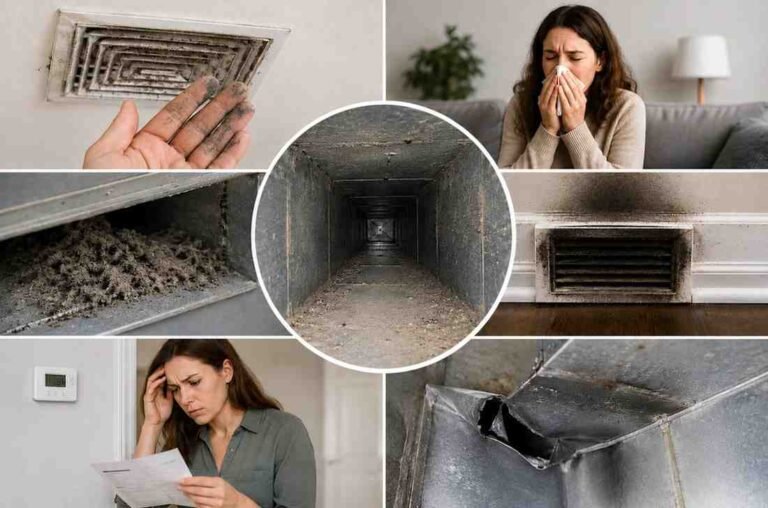
One of the earliest and most recognizable physical indicators of structural failure is poor airflow in vents across different rooms. If you place your hand over a register while the system is actively running and feel only a faint, weak whisper of air, your distribution lines are compromised. This is one of the classic symptoms of damaged air ducts where internal sections have collapsed completely, or branches have disconnected from the main trunk line, allowing conditioned air to escape straight into your attic, basement, or crawlspace.
2. Radical Temperature Gradients: Uneven Heating and Cooling
A properly designed HVAC system is balanced to deliver uniform comfort throughout your living space. If you experience severe uneven heating and cooling such as a living room that feels like an icebox while an upstairs bedroom remains stiflingly hot your distribution pathways are likely failing. When evaluating air duct replacement signs, systemic temperature imbalances point directly to heavily restricted, crimped, or severely leaking branch lines that can no longer sustain balanced air pressure.
3. Accelerated Biological Hazards: Mold in Air Ducts
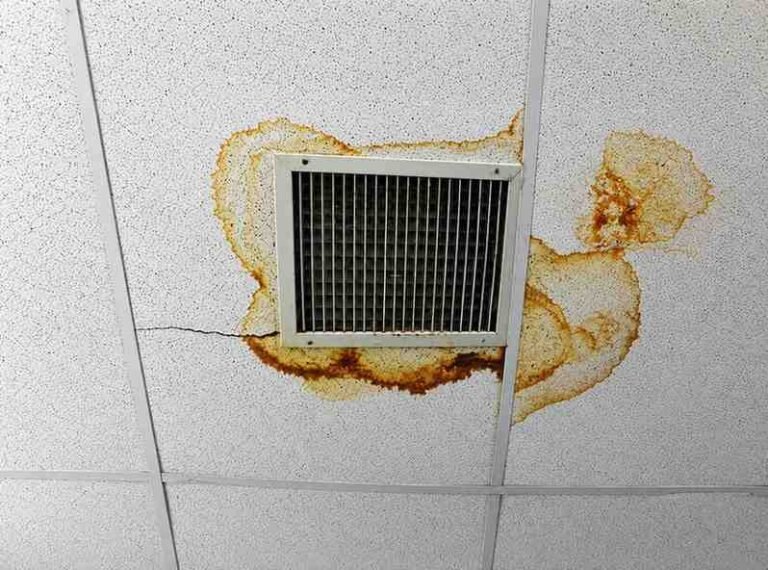
Finding visible mold in air ducts or around the exterior borders of your supply registers is a serious health red flag that requires immediate structural attention. Mold thrives where dark spaces meet localized moisture. Leaky, poorly insulated distribution lines sweat when cold air passes through warm unconditioned spaces. This condensation turns accumulated dust into a breeding ground for spores. Because these biological hazards can spread throughout your home, persistent microbial growth is one of the most definitive air duct deterioration signs pointing to a need for total material replacement.
4. Excessive Airborne Pollution: Dusty Home Air Ducts
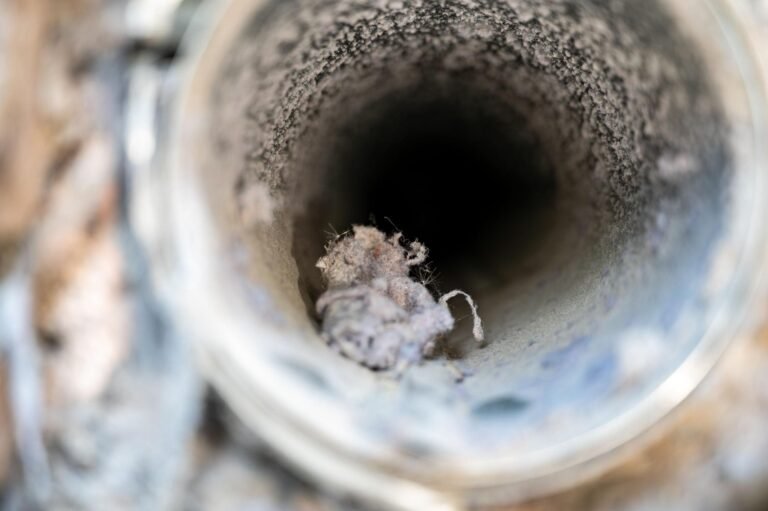
If you find yourself wiping thick layers of grit off your furniture just days after a deep cleaning, you are likely dealing with dusty home air ducts. When distribution lines pull apart at the seams, the system creates a vacuum effect, sucking raw insulation fibers, attic dust, and ambient debris directly into the airstream. This bypasses your furnace filter entirely, continuously recycling fine particulate matter straight into your living areas.
5. Pervasive Sensory Discomfort: Musty Smell From Vents
A persistent, stale, or musty smell from vents whenever your heating or cooling cycles kick on indicates that moisture and organic matter are trapped inside your distribution lines. If deep sanitization fails to clear this odor, the insulating materials inside the lines have likely absorbed the dampness completely. Once insulation becomes deeply contaminated with moisture and odors, it cannot be effectively cleaned and must be physically cut out and replaced.
6. Skyrocketing Utility Inefficiencies
When your distribution system leaks, your furnace and air conditioner have to run much longer to reach the temperature set on your thermostat. If your monthly energy bills are climbing steadily while utility rates stay flat, your system is losing structural integrity. Running an inefficient, leaking network forces your mechanical equipment to work double-time, accelerating wear and tearing down your entire system’s operational lifespan.
7. Obvious Physical Degradation and Crushed Lines
A quick visual inspection of exposed lines in your basement, attic, or crawlspace can reveal obvious physical damage. Flexible distribution lines are easily crushed by stored items, stepped on during unrelated home repairs, or gnawed through by pests. Rigid metal lines can rust completely through if exposed to long-term basement dampness. Physical collapses, extensive rust, and torn outer insulation layers mean the network can no longer be repaired effectively.
The Strategic Crossroad: Air Duct Repair vs Replace
When facing structural issues, homeowners must weigh the choice of an air duct repair vs replace project. Minor problems such as a single loose joint or a small, accessible puncture in an otherwise young and healthy system can be fixed with targeted professional sealing and reinforcement.
However, if your system exhibits multiple failure points, a new ductwork installation is the smarter, more economical long-term investment. Patching an old, brittle, and undersized system only delays the inevitable while continuing to drain your wallet through high energy losses. Opting for a full upgrade ensures your home meets modern building codes, features proper insulation values, and matches the exact airflow requirements of your current heating and cooling equipment. When repairs are no longer sufficient, scheduling an air duct replacement in Norwell ensures your HVAC system runs at peak efficiency.
The Importance of Holistic Ventilation Maintenance
Maintaining optimal indoor air quality and home safety requires looking at your entire ventilation footprint, rather than just focusing on heating and cooling lines. For instance, your clothes dryer relies on a dedicated exhaust path to safely vent high heat and heavy moisture out of your living space. Overlooking this specific line can lead to severe structural and safety hazards.
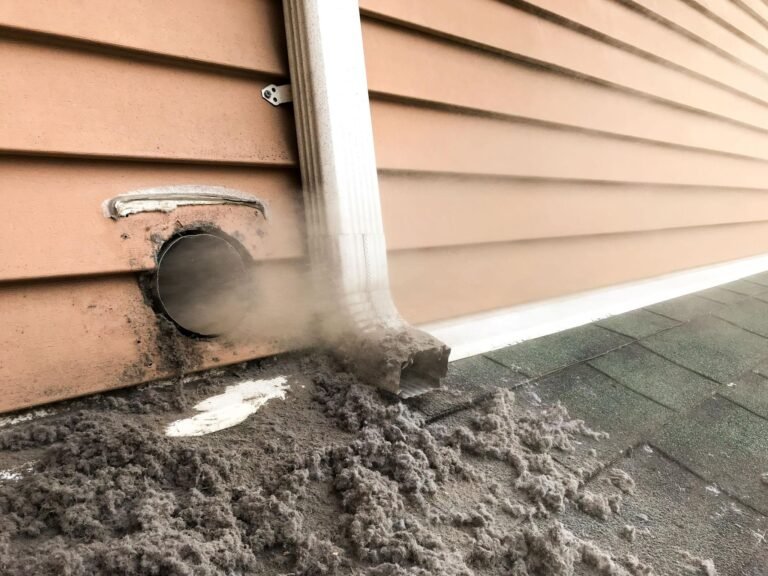
Restricted dryer ventilation forces your appliance to work harder, causing clothes to take multiple cycles to dry and spiking your energy bills. Even worse, trapped lint combined with high heat creates a major household fire hazard. For comprehensive property protection, balancing your HVAC care with regular dryer vent cleaning in Norwell keeps your laundry appliances running efficiently and protects your home from hidden safety risks.
Conclusion
Ignoring the subtle warning signs of failing ventilation leads to higher energy bills, poor comfort, and compromised indoor air quality. Understanding when to replace air ducts allows you to take control of your home’s health and efficiency before a minor leak turns into an expensive structural failure. From correcting weak airflow to eliminating persistent odors, upgrading your distribution lines transforms how your home feels and functions.
When it is time to address your indoor air environment, turn to the trusted local experts at Airvance Solutions. Our experienced team delivers precision care, from high-efficiency upgrades to thorough, professional duct cleaning options designed to restore your system’s performance. Protect your home investment and breathe easier, contact Airvance Solutions today to schedule your comprehensive ventilation inspection.
Frequently Asked Questions
How do I know if my home needs a total air duct replacement?
Look for failing signs like chronic poor airflow, severe uneven heating, visible mold, or musty smells. If your system has collapsed sections, extensive rust, or severe structural damage, transition from minor repairs to full replacement.
Exactly how long do air ducts last before they deteriorate?
On average, a standard residential air duct lifespan lasts about 10 to 15 years. While rigid sheet metal trunks survive longer, flexible plastic joints, outer insulation, and seals fail faster from continuous seasonal temperature and humidity swings.
Can dirty or damaged air ducts actually make you sick?
Yes, compromised ventilation systems heavily impact your indoor health. Seam separations pull in raw insulation fibers or attic dust, while leaky, sweating lines create damp breeding grounds for dangerous mold spores to cycle through your rooms.
Air duct repair vs replace: Which option is best for my budget?
Small punctures or loose joints in younger systems are easily fixed with targeted professional sealing. However, old, brittle networks past their fifteen-year lifespan leak up to 30% of energy, making new installation the smarter long-term investment.
Why should I pair my HVAC service with dryer vent cleaning in Norwell?
Holistic property safety requires maintaining every exhaust path. Overlooked dryer lines trap dangerous lint, forcing laundry appliances to run double-time, dropping utility efficiency, and creating the number one cause of structural residential fires in your home.