Every homeowner expects consistent comfort and reasonable energy bills when running a heating and cooling system. However, a significant amount of conditioned air often escapes before it ever reaches your living spaces. When climate control systems work harder than necessary, hidden structural flaws within your home ventilation pathways are usually the main culprit. For property owners dealing with uneven temperatures and sudden utility spikes, investing in professional HVAC duct repair in Lowell is the most effective way to eliminate energy waste and restore peak system performance.
Your ventilation system is the circulatory network of your home. If that network is compromised by gaps, loose joints, or physical tears, your entire heating and cooling equipment suffers. Instead of delivering comfortable temperatures to your bedrooms and living room, your system ends up conditioning uninsulated spaces like crawlspaces, attics, or wall cavities. Addressing these issues early prevents minor air leaks from turning into major financial drains.
How Leaky Ducts Undermine Your HVAC Duct System
The overall efficiency of any modern climate control setup is directly tied to the integrity of your network channels. According to data provided by the Department of Energy, the typical residential hvac duct system loses roughly 20 to 30 percent of its conditioned air through small gaps, unsealed seams, and poor connection points. This massive air loss means a significant portion of the money you spend heating or cooling your home is being completely wasted on unconditioned spaces like crawlspaces, attics, or unfinished basements.
When conditioned air escapes into these unoccupied zones, your thermostat notices the temperature discrepancy and keeps your heating or cooling units running for extended cycles. This constant operation creates a compounding problem for your home budget. Not only do your monthly utility bills skyrocket, but the continuous strain on your mechanical components causes parts to fail prematurely, leaving you vulnerable to sudden system breakdowns when extreme weather hits.
How Leaks Force Your System to Overwork
When conditioned air escapes through leaks, your thermostat notices that the living areas are not reaching the desired temperature. In response, it signals your HVAC system to run longer and harder to compensate for the loss.
This constant overworking leads to several distinct problems:
- Higher Utility Bills: Running your system for extended cycles drastically increases your monthly energy consumption.
- Premature Wear and Tear: The harder your system works, the faster its internal components degrade, leading to frequent breakdowns and a shorter overall lifespan for your equipment.
- Hot and Cold Spots: Rooms furthest from the main HVAC unit often suffer from poor airflow, leaving some areas of your home uncomfortably warm or chilly.
The Impact of Leaks on Your HVAC Duct System
The complex network of tubes moving conditioned air throughout your home is known as the hvac duct system. When this network is perfectly sealed, air duct efficiency peaks, moving air straight to your vents. Unfortunately, typical residential properties suffer from major ductwork air loss, dropping 20% to 30% of treated air through gaps and leaky air ducts.
This duct leakage HVAC issue creates severe leaking ductwork problems, including unbalanced temperatures and HVAC airflow issues. This systemic duct system inefficiency triggers massive HVAC energy loss, forcing your equipment to run frequent, extended cycles. Resolving these air duct problems and solutions via professional HVAC duct sealing restores air duct performance, lowers bills, and prevents premature equipment breakdowns.
Understanding HVAC Duct Repair Lowell Services
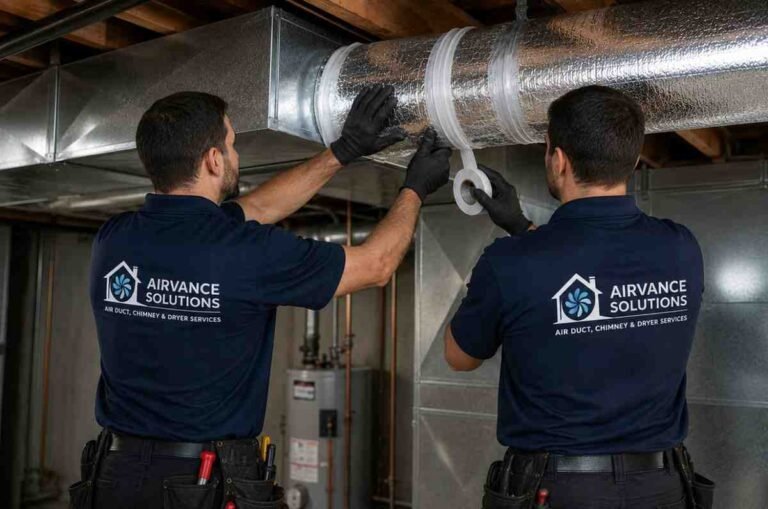
Restoring an aging distribution network requires far more than wrapping a standard roll of silver utility tape around a loose joint. True professional restoration demands advanced diagnostic tools, specialized sealing compounds, and a deep understanding of airflow dynamics. Arranging for certified hvac duct repair Lowell services ensures that your distribution network is structurally sound, properly balanced, and fully insulated against regional temperature extremes.
The repair process begins with a meticulous physical evaluation of every accessible foot of your distribution system. Technicians locate loose connections, collapsed flexible lines, and completely disconnected branches that might be blowing cold air directly into your crawlspace framing.
Using commercial-grade mastic sealants and fiber-reinforced tapes is essential for creating a permanent bond that withstands continuous pressure changes. If a technician uses cheap materials, the adhesive will dry out and fail within a single New England winter season. Investing in specialized hvac duct repair Lowell specialists gives you peace of mind that your home ventilation system will remain airtight for decades.
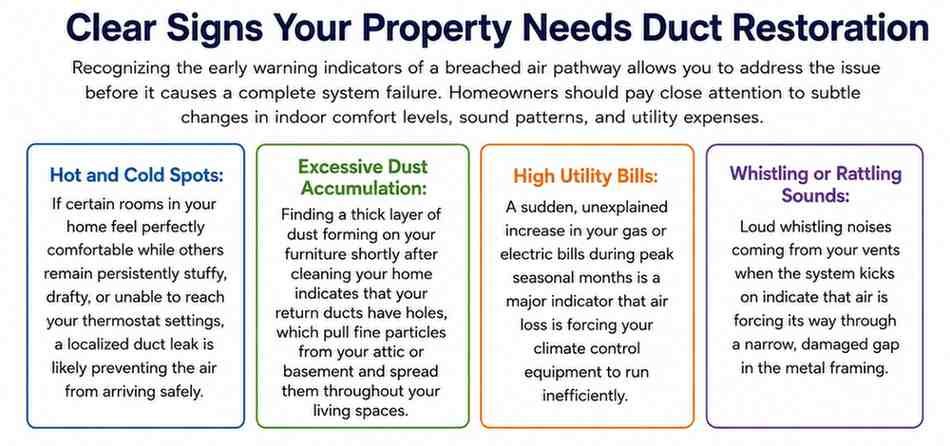
Clear Signs Your Property Needs Duct Restoration
Recognizing the early warning indicators of a breached air pathway allows you to address the issue before it causes a complete system failure. Homeowners should pay close attention to subtle changes in indoor comfort levels, sound patterns, and utility expenses.
- Hot and Cold Spots: If certain rooms in your home feel perfectly comfortable while others remain persistently stuffy, drafty, or unable to reach your thermostat settings, a localized duct leak is likely preventing the air from arriving safely.
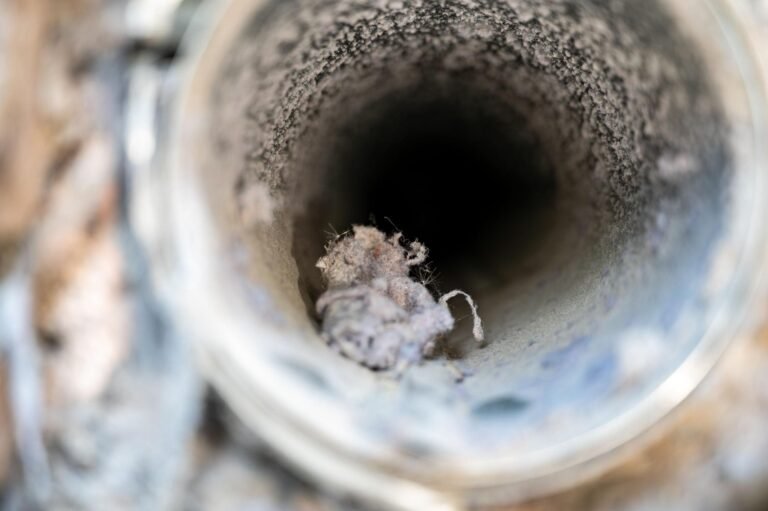
- Excessive Dust Accumulation: Finding a thick layer of dust forming on your furniture shortly after cleaning your home indicates that your return ducts have holes, which pull fine particles from your attic or basement and spread them throughout your living spaces.
- High Utility Bills: A sudden, unexplained increase in your gas or electric bills during peak seasonal months is a major indicator that air loss is forcing your climate control equipment to run inefficiently.
- Whistling or Rattling Sounds: Loud whistling noises coming from your vents when the system kicks on indicate that air is forcing its way through a narrow, damaged gap in the metal framing.
How Air Distribution Flaws Affect Indoor Air Quality
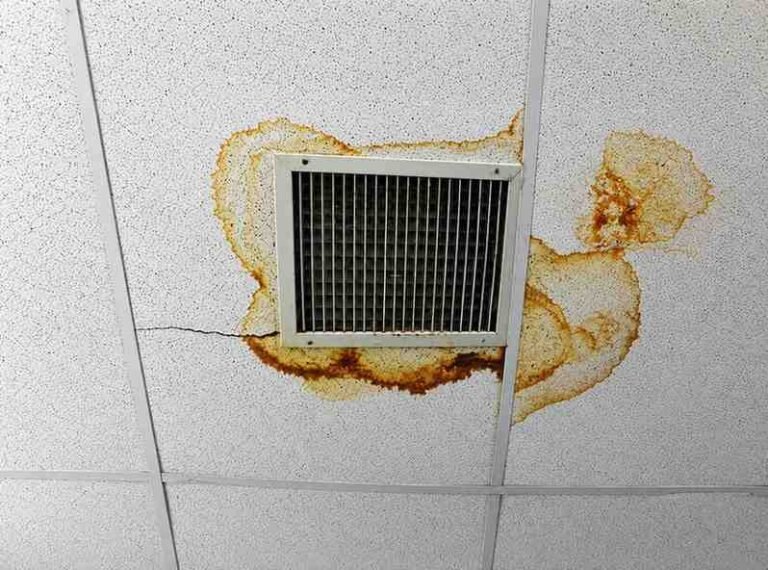
Leaky air ducts do more than cause ductwork air loss and severe HVAC energy loss; they directly threaten your family’s health. While gaps in supply lines push conditioned air out, return line leaks pull unconditioned air from attics and crawlspaces into your breathing space. This suction introduces dust mites, mold spores, and fiberglass insulation into the airflow, leading to major leaking ductwork problems like poor indoor air quality. Combatting this systemic duct leakage HVAC issue requires professional HVAC duct sealing. Sealing these gaps immediately restores optimal air duct performance, elevates overall air duct efficiency, and ensures a clean, healthy home environment.
The Long Term Benefits of Ventilation Sealing
Investing in high-quality duct restoration provides an immediate, noticeable upgrade to your daily quality of life while permanently lowering your household operational expenses. Restoring airtight integrity to your home systems delivers a wide range of structural advantages.
- Immediate Financial Relief: Sealing up old gaps instantly stops the loss of treated air, allowing your home to reach its desired temperature settings up to 30 percent faster and slashing your monthly heating and cooling expenses.
- Extended Equipment Lifespan: When your system can rest between normal cycles instead of running continuously, mechanical wear drops significantly, protecting your core machinery from unexpected breakdowns.
- Enhanced Indoor Air Quality: Sealing your return lines keeps unwanted contaminants, insulation fibers, dust, and outdoor allergens from entering your breathing spaces, creating a healthier environment for your family.
- Balanced Household Comfort: Eliminating pressure drops ensures that every room receives a consistent, balanced volume of warm or cool air, completely removing uncomfortable hot and cold zones across your floor plan.
Conclusion:
Do not let hidden ventilation gaps drain your household budget and compromise your indoor air quality. Taking control of your home distribution network today ensures that your heating and cooling equipment delivers peak performance when you need it most.
If you are struggling with uneven room temperatures, excessive dust, or an HVAC not cooling the house efficiently, the dedicated team at Airvance Solution is ready to help you find a permanent solution. Our comprehensive home comfort division provides precision diagnostics, expert HVAC duct sealing solutions, and complete structural restorations for residential setups throughout the region. Contact Airvance Solution today to schedule your professional ventilation assessment and stop leaking ductwork problems from undermining your home comfort.