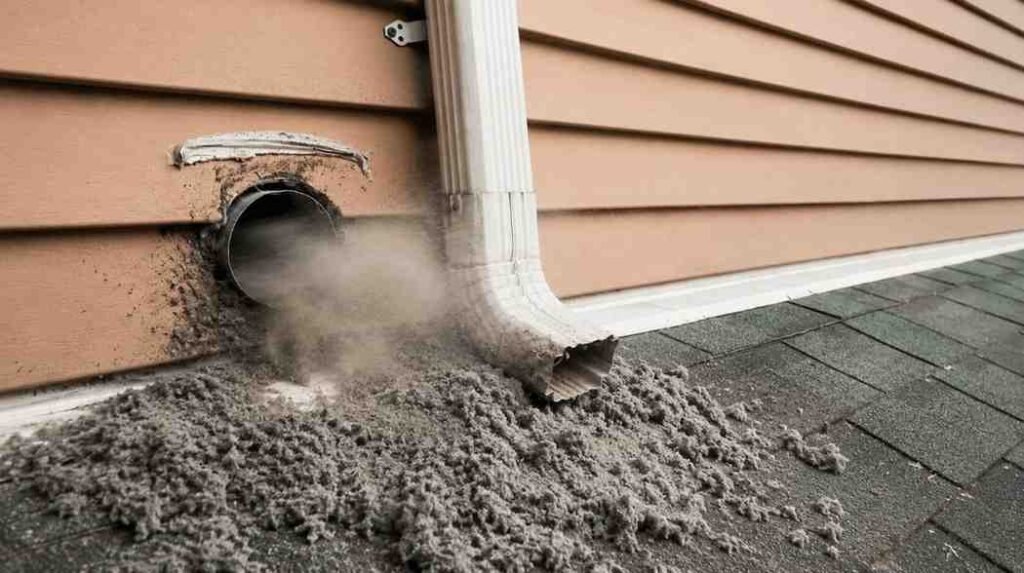
Few household moments trigger immediate panic quite like catching a whiff of smoke or a scorched odor while running your laundry system. If you have ever run a cycle only to ask yourself, “Why does my air duct dryer smell like it’s burning?”, you are facing a common and high-stakes problem. While many people mistake these smells for a broken appliance that needs mechanical replacement, the vast majority of these issues are actually caused by internal mechanical strain inside the ventilation system itself, often preventable with regular dryer vent cleaning in Cambridge.
When your laundry routine is interrupted by an alarming scent, understanding how the internal mechanical components of your ventilation lines and air ducts fail can help you diagnose the issue before it escalates. In this comprehensive guide, we will break down the top 7 ventilation-based mechanical causes behind this issue, answer critical safety questions, provide practical diagnostic insights, and explain why professional maintenance is the key to a safe home.
Is Burning Smell From Air Duct Dryers Dangerous?
Before diving into the mechanical components of your airflow pathways, let’s address the most urgent question on your mind: is the burning smell from the air duct dryer dangerous?
The short answer is yes, absolutely. According to data from national fire safety associations, clothes dryer exhaust lines and building ductwork are responsible for thousands of structural home fires every single year. A burning odor is your ventilation system’s early warning sign telling you that trapped lint is overheating, heavy static backpressure is occurring, or the internal airflow mechanics have completely broken down.
If you notice a distinct air dryer vent hot burning smell, you should immediately turn off the machine connected to the line and avoid using the system. Running an appliance with a completely choked, overheating exhaust line drastically increases the risk of a fast-spreading fire inside your property’s walls.
Top 7 Airflow & Mechanical Ventilation Causes of a Burning Odor
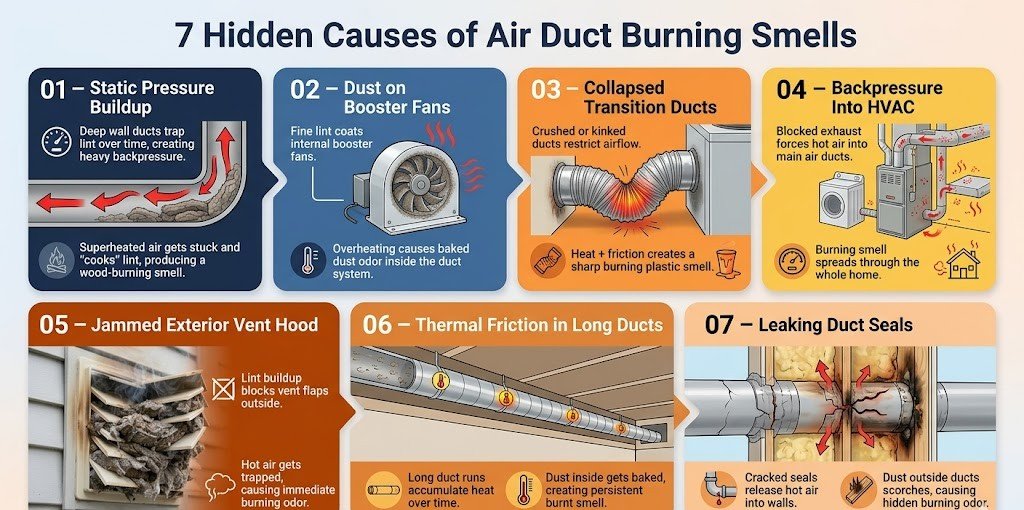
When the removable lint screen is completely empty but a harsh burning smell coming from Air duct dryer vent lines persists, the issue lies deeper within the mechanical pathways of your exhaust ducts. Here are the top seven failures that cause these dangerous odors.
1. Massive Static Pressure Buildup in Deep Wall Ducts
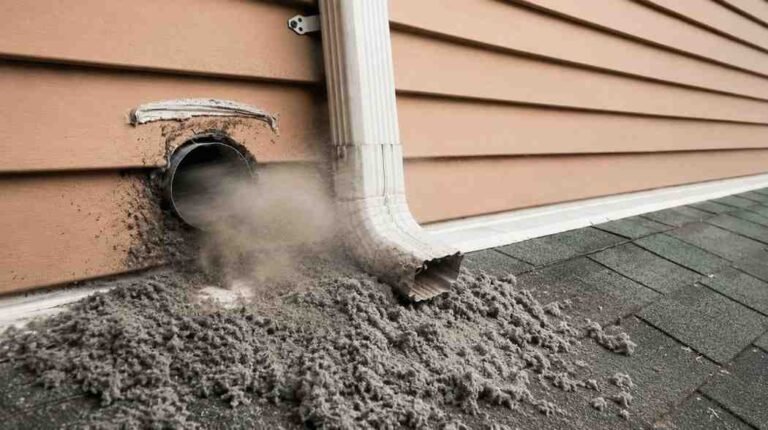
When an exhaust line runs deep through a building’s structure, it requires strong, consistent mechanical velocity to push lint out. Over time, heavy lint logs form inside the tight turns of the wall pipes. This creates immense static backpressure, trapping superheated air inside the line. The stagnant air continuously cooks the trapped fibers, creating a distinct, heavy wood-burning aroma.
2. Superheated Dust Accumulation on Vent Booster Fans
Many complex or long-run ventilation systems utilize an internal mechanical booster fan to help push exhaust air to the outside wall. If these internal fan blades and motor housings become caked with fine lint dust, the fan cannot cool itself down. This results in a localized Air duct dryer heating element burning odor, as the high ambient heat within the duct bakes the dust layer directly onto the fan mechanism.
3. Friction Against Restrictive or Collapsed Transition Ducts
The flexible foil or plastic transition piece connecting your laundry setup to the main wall duct is highly vulnerable to structural mechanical failure. If this pipe gets crushed or kinked against the wall, it creates a severe physical bottleneck. The mechanical force of the rushing hot air creates intense friction against the collapsed walls of the tube, causing the material to overheat and emit a sharp, synthetic air dryer vent burning smell.
4. Backpressure Forcing Odors Into General Air Ducts
If your home’s utility lines run parallel to your main HVAC system, a severe restriction in the exhaust line will force high-pressure, scorched air out of loose pipe seams. If you notice that an air duct smells like something burning whenever a cycle is running, it means the trapped exhaust cannot escape outside and is instead migrating directly into your property’s central breathing air pathways.
5. Sticking or Mechanically Jammed Exterior Vent Hoods
The exit point of your ventilation system on the exterior wall of your home relies on simple mechanical flaps or louvers to let air out while keeping pests out. Over time, wet lint can coat these flaps, causing them to jam completely shut. When the exit path is mechanically blocked, a heavy Air duct dryer exhaust smell like burning occurs instantly because the high-temperature air has absolutely nowhere to escape.
6. Thermal Friction in Long Residential Exhaust Runs
In many modern homes and multi-family buildings, exhaust lines must travel long distances through ceiling joists before exiting. Without regular maintenance, these long internal pipe runs suffer from extreme thermal friction. The heat accumulates along the entire length of the metal trunk, turning the ductwork into a radiating heat conductor that bakes any residual interior dust film.
7. Degraded and Leaking Duct Section Seals
Over years of operational vibrations, the mechanical foil tape or mastic seals holding your internal duct sections together can degrade and crack. When these seals fail, superheated air escapes into wall cavities, causing structural dust on the outside of the pipes to scorch. If your air duct dryer smells burnt after cleaning vent screen areas, it is a clear indicator that the deep, hidden internal sections of your building’s ductwork are compromised and leaking hot air.
Why Professional Ventilation Cleaning Is the Only Solution?
Many homeowners mistake an airflow problem for a broken appliance. However, buying a new machine won’t fix a system where the deep wall pipes are completely packed with flammable material.
|
Ventilation Mechanical Failure |
Direct Threat to the Property |
Long-Term Impact |
|
Packed Deep Wall Ducts |
Restricts all exhaust speed, trapping heat inside walls. |
Creates a severe, structural fire hazard. |
|
Jammed Exterior Flaps |
Prevents moisture and heat from leaving the building. |
Triggers mold growth and severe backpressure odors. |
|
Leaking Duct Section Seals |
Forces smoky, humid air into structural voids. |
Contaminates the property’s main breathing air. |
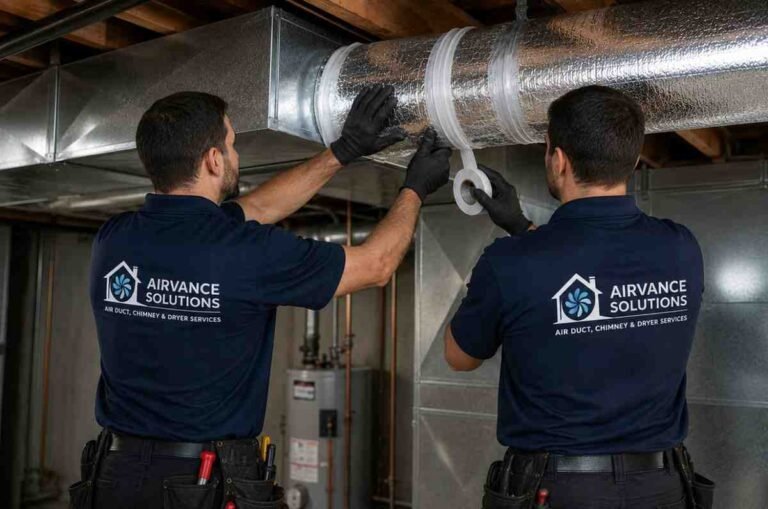
To truly resolve a burning smell, eliminate structural fire hazards, and restore your property’s energy efficiency, a basic DIY approach isn’t enough. Deeply embedded lint deposits and restricted airflow pathways require specialized rotary brushes, high-velocity negative air pressure systems, and professional diagnostic cameras to clear out safely.
For property owners navigating the dense, historic architecture of Middlesex County, managing these complex ventilation pathways requires specialized local expertise. Investing in regular, professional air duct dryer vent cleaning in Cambridge ensures that every foot of your intricate exhaust system from the utility room connection to the highest roof cap is entirely pristine, perfectly balanced, and completely clear of dangerous restrictions.
Preventative Homeowner Care Tips
To protect your property and keep your ventilation systems operating flawlessly between professional service visits, follow these best practices:
- Inspect the Outside Flap Regularly: Periodically check that your exterior vent flappers open freely when air is pushing through the system.
- Keep Exhaust Lines Straight: Ensure that visible transition pipes behind your equipment are not kinked, twisted, or pinched against the wall.
- Avoid Running Systems Unattended: Never leave your property or go to sleep while high-heat laundry ventilation systems are actively running.
- Schedule Annual Inspections: Having a professional team clear your building’s deep exhaust pathways once a year keeps the system balanced and safe.
Conclusion:
A burning smell coming from your ventilation lines is never something to wait out, ignore, or hope will disappear on its own. Whether it is a choked wall pipe causing an air duct to smell like something burning or a jammed exterior louvre creating an intense structural hotspot, taking fast, decisive action protects your property, your family, and your peace of mind.
If you find that your utility area or central vents fill with a hot, scorched aroma, it is time to bring in the professional ventilation specialists. At Arievance Solution, we take a comprehensive approach to indoor air quality and structural safety. By scheduling a professional air duct dryer vent cleaning in Cambridge, you can instantly eliminate dangerous lint deposits, lower your monthly utility costs, optimize system airflow, and gain total peace of mind.
Don’t wait for a warning smell to turn into a major hazard. Contact Arievance Solution today to book your comprehensive ventilation inspection and professional duct cleaning service!