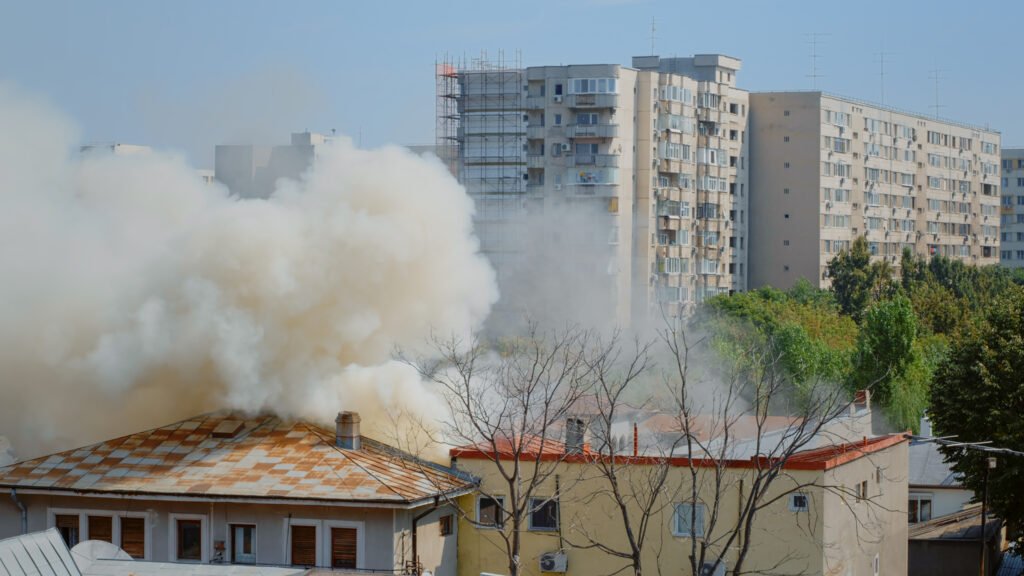
As the crisp autumn air settles over the Charles River and residents of Cambridge begin to stock up on firewood, the allure of a crackling hearth becomes irresistible. Whether you own a historic Victorian near Harvard Square or a cozy mid-century home in North Cambridge, your chimney fireplace is likely the heart of your living space. However, that cozy glow can mask a hidden danger.
Many homeowners overlook a critical maintenance task, professional cleaning and a thorough chimney fire hazard inspection. The question isn’t just about aesthetics or removing soot, it’s about chimney fire safety. Without regular intervention from a professional chimney sweep service in Cambridge, the answer might be more alarming than you think.
The Hidden Danger: Understanding Creosote
The primary culprit behind chimney fires is a substance called creosote. This is a byproduct of burning wood, a dark, tar-like, and highly flammable residue that coats the interior walls of your chimney liner.
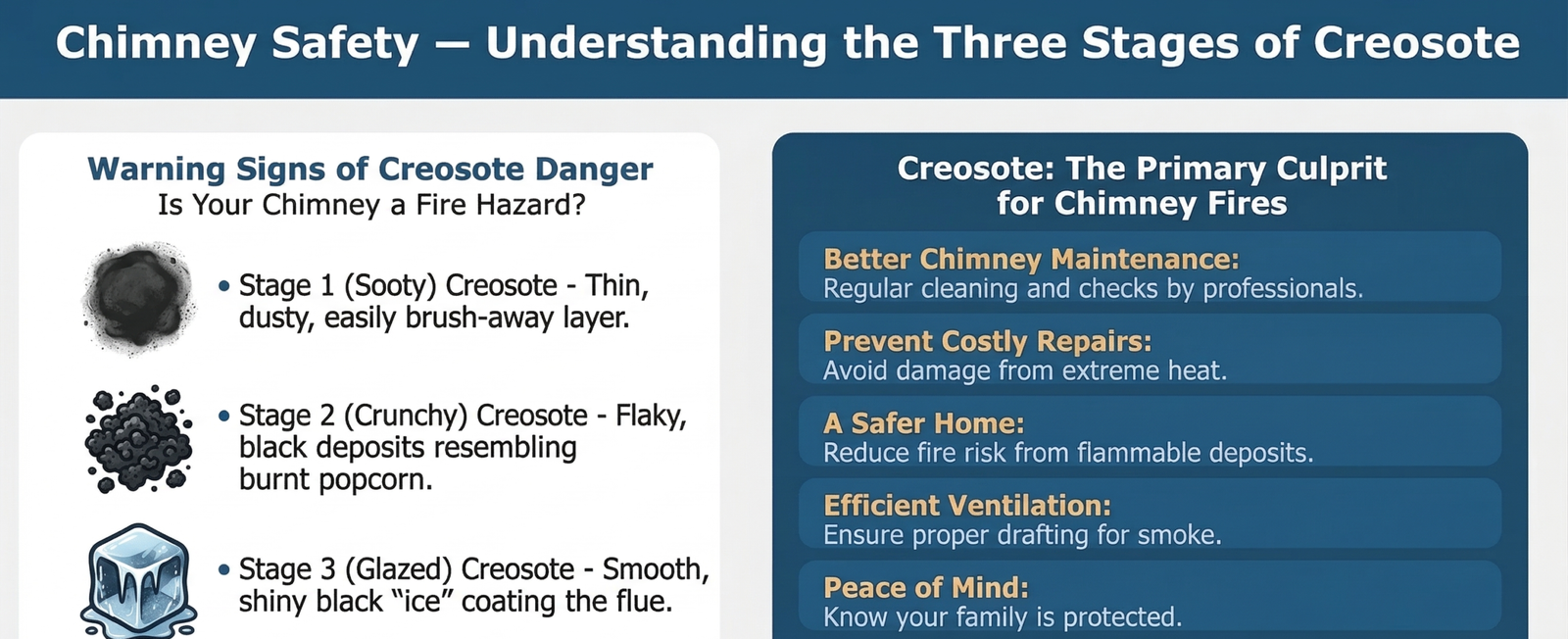
The Three Stages of Creosote
Creosote doesn’t just appear overnight; it evolves, becoming more dangerous over time:
- Stage One (Sooty): A thin, dusty layer that is relatively easy to brush away.
- Stage Two (Crunchy): Flaky, black deposits that resemble burnt popcorn. This indicates a restriction in airflow.
- Stage Three (Glazed): The most dangerous form. It looks like smooth, shiny black ice coating the flue. It is extremely difficult to remove and acts as concentrated fuel for a chimney fire.
When creosote reaches the “glazed” stage, even a small spark from your fire can ignite it. Because the chimney is designed to create a draft, a chimney fire can roar like a jet engine, reaching temperatures over 2000°F. This intense heat can crack flue tiles, melt mortar, and ignite the wooden framing of your home within minutes.
Why Cambridge Homes Are at Unique Risk
Cambridge is famous for its beautiful, historic architecture. However, older chimneys come with specific structural vulnerabilities that require specialized chimney restoration services to remain functional and safe.
1. Aging Masonry and Mortar
The freeze-thaw cycles of Massachusetts winters are brutal on masonry. Water gets into small cracks in the brickwork, freezes, expands, and eventually causes the mortar to crumble. A Cambridge chimney inspection often reveals “spalling” where the faces of the bricks begin to pop off. If the structure is compromised, heat from the fireplace can escape through cracks and reach the dry, aged wood of your home’s internal structure. In these cases, professional chimney restoration services are often necessary to rebuild the integrity of the stack.
2. Unlined or Damaged Flues
Many older homes in the area were built without chimney liners, or with clay liners that have since cracked. Modern safety standards require a stainless steel or heavy-duty clay liner to contain the heat and toxic gases. Whether you choose clean sweep chimney services or a full restoration, ensuring your liner is intact is the most critical step in fire prevention.
The Role of a Professional Chimney Sweep Service
A common misconception is that a “DIY” cleaning with a store-bought brush is sufficient. In reality, a professional chimney sweep service in Cambridge provides a comprehensive safety audit that goes far beyond a simple scrub.
Why Choose All Seasons Chimney Service?
To maintain a safe home year-round, many residents rely on an all seasons chimney service. These experts understand that a chimney’s needs change with the weather. From clearing bird nests in the spring to removing heavy creosote in the fall, a year-round approach ensures that your chimney fire safety is never compromised.
What Happens During a Professional Cleaning?
- Visual Inspection: Technicians examine the firebox, damper, and chimney cap for signs of wear.
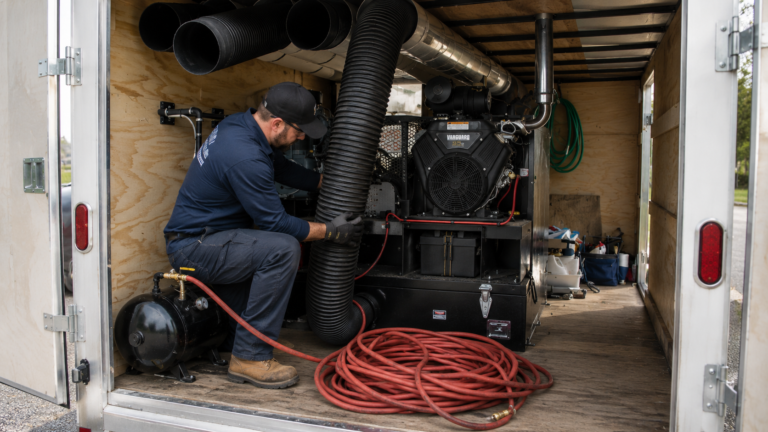
- The “Clean Sweep”: Utilizing professional clean sweep chimney services ensures that high-powered vacuums and specialized brushes remove soot without letting dust escape into your living room.
- Video Scanning: Advanced services use a “ChimScan” camera to look for internal cracks that aren’t visible from the hearth.
- Draft Analysis: Ensuring your chimney is venting correctly to prevent carbon monoxide poisoning.
Signs Your Chimney Needs Immediate Attention
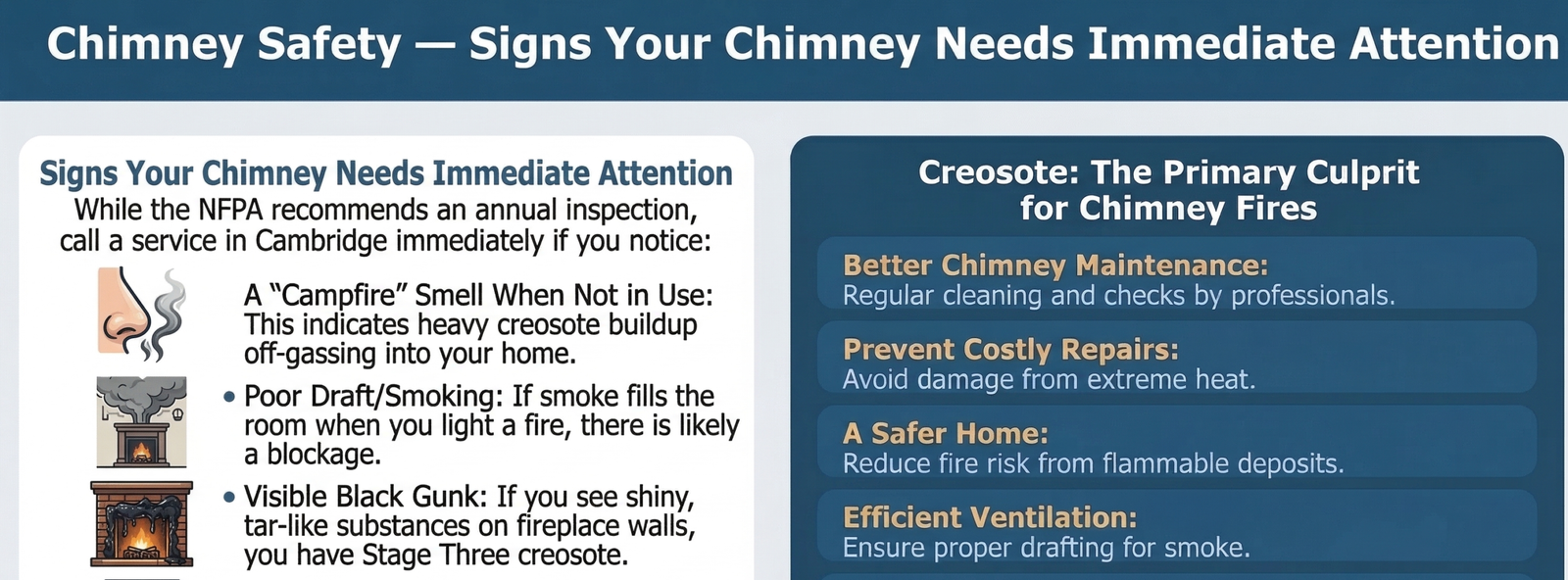
While the National Fire Protection Association (NFPA) recommends an annual inspection, you should call a chimney sweep service in Cambridge immediately if you notice any of the following:
- A “Campfire” Smell When Not in Use: This indicates a heavy buildup of creosote that is off-gassing into your home.
- Poor Draft/Smoking: If smoke fills the room when you light a fire, there is likely a blockage.
- Visible Black Gunk: If you see shiny, tar-like substances on the walls of your chimney fireplace, you have Stage Three creosote.
Maintenance Beyond the Sweep: The Chimney Cap
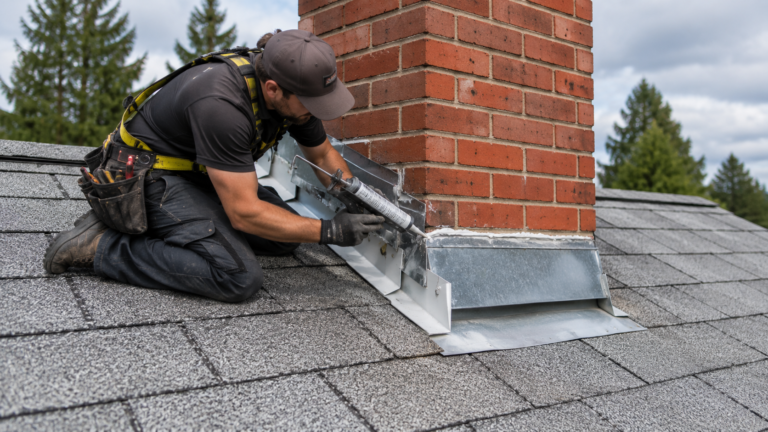
One of the most cost-effective ways to protect your home is the installation of a high-quality chimney cap. In a dense urban environment like Cambridge, these caps serve as a vital chimney fire safety tool by acting as a spark arrestor, catching hot embers before they land on your roof or a neighbor’s property.
The Benefits of a Clean Chimney
Beyond the obvious safety benefits, keeping your chimney in top shape offers several practical advantages:
- Increased Efficiency: A clean chimney draws air more effectively, meaning your wood burns hotter and longer.
- Healthier Air Quality: Proper venting ensures that wood smoke and particulates are carried out of the house.
- Long-Term Savings: Investing in all seasons chimney service and minor repairs early prevents the need for expensive chimney restoration services later on.
Choosing the Right Service in Cambridge
When searching for a “chimney sweep near me,” don’t just go for the lowest price. Ensure the company is:
- CSIA Certified: The gold standard for technician training.
- Experienced in Fire Prevention: Look for companies that specialize in a chimney fire hazard inspection.
- Locally Experienced: Companies familiar with Cambridge’s specific building codes and historical preservation requirements are invaluable.
Conclusion:
Your fireplace should be a source of comfort, not a source of anxiety. By investing in clean sweep chimney services and understanding the risks of creosote and structural decay, you ensure that your home remains a safe haven for years to come. Is your chimney a fire hazard? Don’t guess, schedule a chimney fire hazard inspection today and enjoy the peace of mind that comes with a clean, safe hearth.