A clean HVAC system is very important for every commercial building. Offices, schools, hospitals, restaurants, warehouses, and retail stores all depend on proper airflow to maintain a comfortable environment. Over time, dust, dirt, allergens, and debris collect inside air ducts. If these ducts are not cleaned regularly, the HVAC system may become less efficient and indoor air quality can become unhealthy.
Many business owners invest in commercial duct cleaning to improve air circulation and maintain a cleaner workplace. However, not everyone understands what should actually be checked before, during, and after the cleaning process. Without a proper checklist, some important parts of the HVAC system may be ignored or cleaned incorrectly.
A professional cleaning service should not only remove dust from vents. It should include inspection, cleaning, safety measures, and system performance checks. Knowing what to verify during each stage helps business owners ensure the work is completed properly and safely.
Why Commercial Duct Cleaning Is Important
Commercial buildings use HVAC systems daily for heating, cooling, and ventilation. As air moves through the ductwork, contaminants slowly build up inside the system. Dust, pollen, mold spores, and bacteria can circulate through the air if ducts are not maintained properly.
Regular commercial duct cleaning in Worcester helps improve indoor air quality and keeps the HVAC system running efficiently. Clean ducts also reduce stress on heating and cooling equipment, which may lower energy costs and reduce the risk of expensive repairs.
Employees and customers spend many hours inside commercial buildings every day. Poor air quality can lead to discomfort, allergies, headaches, and unpleasant odors. Clean air ducts create a healthier and more comfortable environment for everyone inside the building.
Another benefit of duct cleaning is improved airflow. When ducts become clogged with dirt and debris, the HVAC system works harder to move air throughout the property. This increases energy use and may shorten the lifespan of HVAC components. Proper cleaning helps air move more freely and improves overall system performance.
What to Verify Before the Cleaning Job Starts
Preparation is one of the most important steps in the entire process. Before the cleaning team begins work, building owners or facility managers should verify several things carefully.
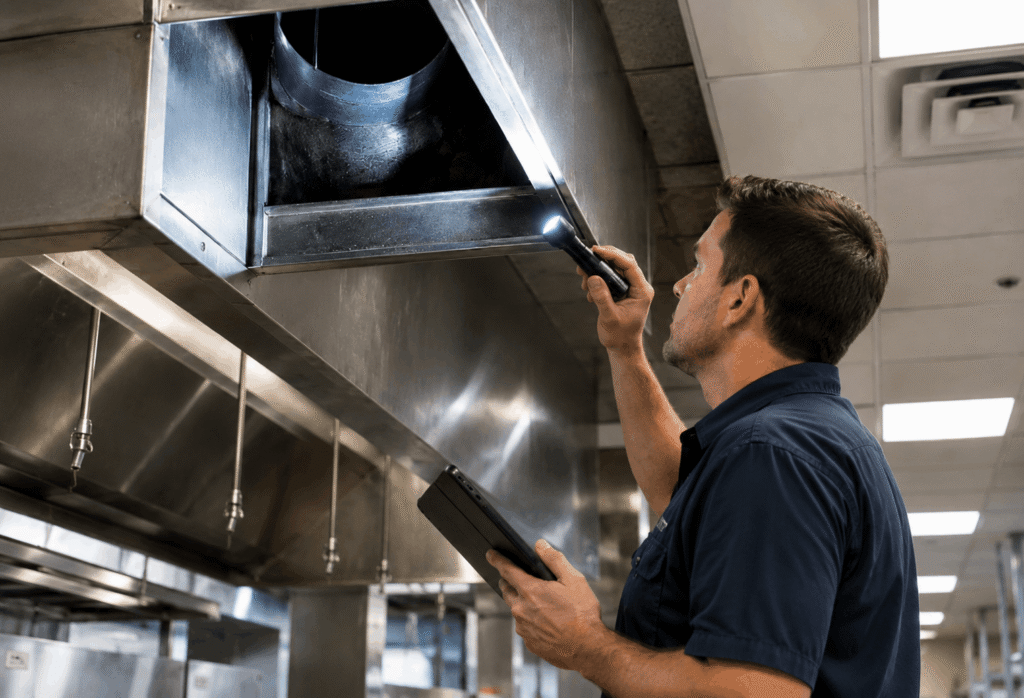
The first step is a complete HVAC inspection. A professional contractor should inspect supply ducts, return ducts, air vents, coils, filters, fans, and air handling units. This inspection helps identify dirt buildup, leaks, mold growth, or damaged components. It also helps determine how extensive the cleaning process needs to be.
It is also important to ask for a detailed cleaning plan. A reliable company should explain the methods they will use, the equipment involved, and how long the project may take. Understanding the cleaning process before work begins prevents confusion and helps ensure expectations are clear.
Business owners should also verify that the contractor has proper licenses, certifications, and insurance coverage. Experienced professionals understand the correct procedures for commercial duct cleaning and follow industry standards for safety and performance. Hiring an unqualified company may lead to poor results or damage to the HVAC system.
Another important step is discussing workplace protection. Cleaning air ducts can release dust and debris into the air if proper containment systems are not used. Contractors should explain how they will protect employees, office furniture, electronics, and work areas during the project.
Access to HVAC equipment should also be checked before work starts. Technicians may need access to ceilings, mechanical rooms, rooftops, or utility areas. Making these areas accessible in advance helps the project move smoothly and reduces delays.
What to Verify During the Cleaning Process
While the cleaning is in progress, it is important to monitor the work to ensure the entire HVAC system is being cleaned correctly. Some companies may rush through the process or clean only visible sections of ductwork.
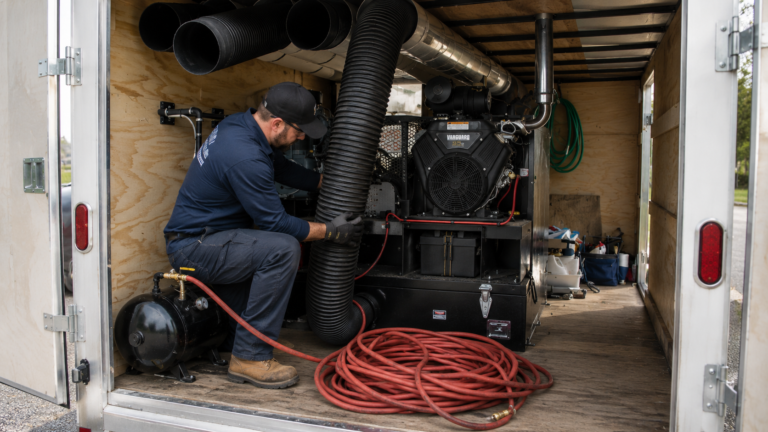
Professional technicians should use specialized equipment designed for commercial HVAC systems. Common tools include HEPA-filtered vacuums, rotary brushes, compressed air tools, and negative air machines. These tools help remove debris safely without spreading contaminants throughout the building.
During commercial duct cleaning, work areas should remain protected at all times. Floors, office furniture, and sensitive equipment should be covered properly. Dust should remain controlled during the cleaning process. Excessive dust in occupied areas may indicate poor cleaning practices.
It is also important to confirm that the entire duct system is being cleaned, not just vents and registers. A complete cleaning should include supply ducts, return ducts, branch lines, coils, diffusers, and air handling units. Partial cleaning may leave contaminants inside the system and reduce the effectiveness of the service.
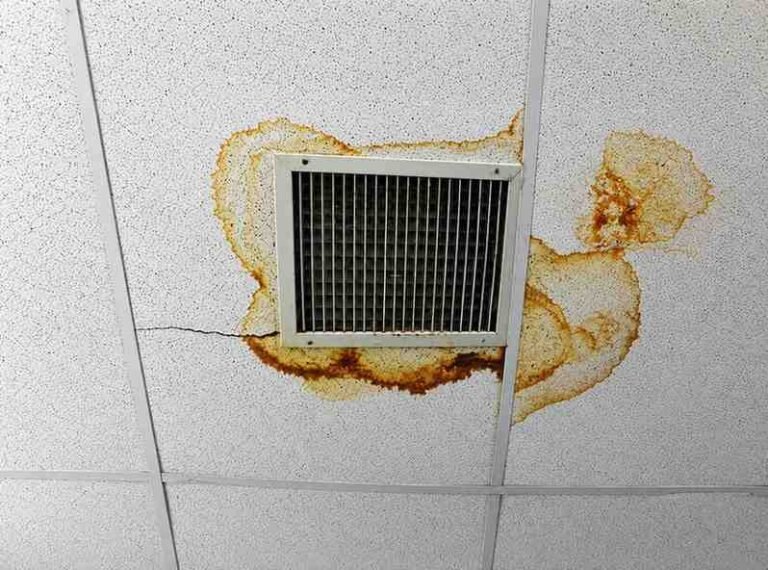
Moisture or mold problems should also be addressed immediately if discovered during the process. Mold growth inside ductwork usually indicates an underlying moisture issue. Simply cleaning the ducts will not solve the problem unless the source of moisture is repaired.
Air filters should also be checked and replaced if necessary. Dirty filters restrict airflow and reduce HVAC efficiency. Replacing filters after cleaning helps maintain cleaner indoor air and improves system performance.
Communication between the building manager and cleaning team is also important throughout the project. Asking questions and requesting progress updates helps ensure the work stays on track and meets expectations.
Read more: Cambridge Commercial Duct Maintenance Guide for Faster HVAC Performance
What to Verify After the Cleaning Is Finished
Once the cleaning is complete, the final inspection is extremely important. Business owners should never assume the work was completed properly without reviewing the results.
The first thing to verify is the cleanliness of accessible duct sections and vents. Registers and visible duct areas should appear clean and free from dust buildup. Many professional companies also provide before-and-after photos to show the completed work.
After commercial duct cleaning, airflow performance should also improve. Rooms may feel more comfortable, temperatures may become more balanced, and airflow may increase throughout the building. If airflow problems continue, additional HVAC issues may need inspection.
A professional contractor should also provide a final service report. This report typically includes details about completed work, discovered issues, and maintenance recommendations. Keeping these records helps with future HVAC maintenance planning.
Indoor air quality should also be monitored after the project. Many building owners notice less dust accumulation, fresher indoor air, and fewer unpleasant odors after the ducts are cleaned properly. Employees may also experience improved comfort inside the workplace.
Scheduling future maintenance is another important step. HVAC systems require regular care to remain efficient. Depending on the building type and usage, experts often recommend commercial duct cleaning every three to five years. Buildings with heavy dust, construction activity, or manufacturing operations may require more frequent cleaning.
Common Signs Your Commercial Ducts Need Cleaning
Many business owners wait too long before scheduling HVAC cleaning services. There are several warning signs that may indicate dirty ductwork.
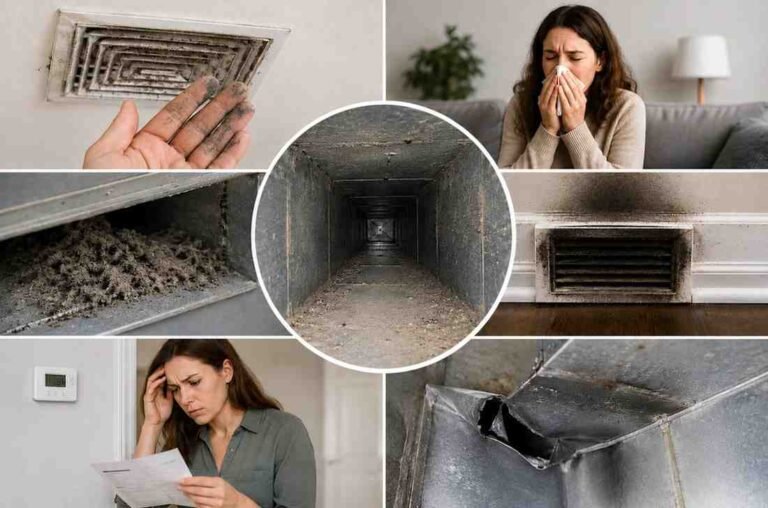
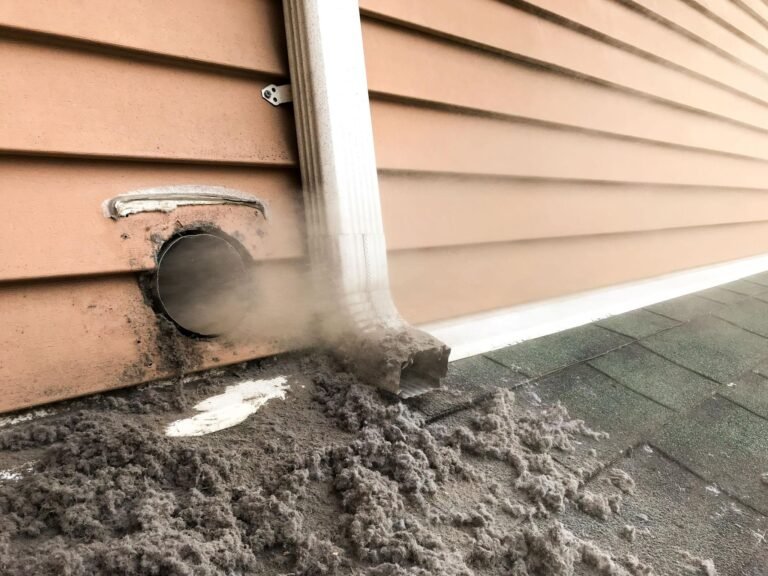
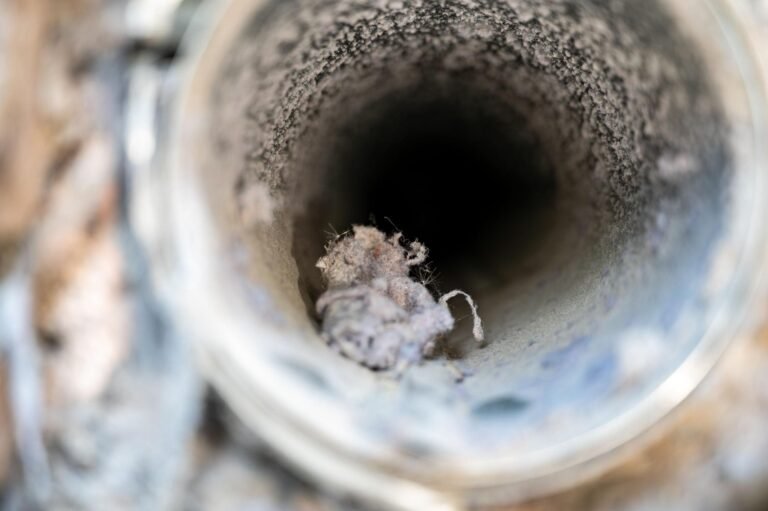
Visible dust around air vents is one of the most common signs. Poor airflow, uneven temperatures, and increased energy bills may also suggest the HVAC system is struggling due to buildup inside the ducts.
Musty odors inside the building can also indicate contamination or mold growth in the duct system. Employees may notice increased allergy symptoms, coughing, or irritation caused by poor indoor air quality.
If these issues appear, scheduling a professional inspection is recommended. Early cleaning can prevent larger HVAC problems and improve system efficiency.
Choosing the Right Commercial Duct Cleaning Company
Selecting the right contractor is very important for achieving quality results. Business owners should look for companies with experience handling large commercial HVAC systems.
Reading customer reviews and checking references can help identify reliable service providers. It is also smart to request written estimates before approving the project. Detailed estimates help avoid hidden costs later.
Very low prices should be approached carefully because some companies may skip important cleaning steps or use poor-quality equipment. Professional commercial duct cleaning requires proper tools, trained technicians, and enough time to complete the work correctly.
Insurance coverage is another important factor. Contractors should carry liability insurance and worker protection coverage to protect both the business and employees during the project.
Conclusion
A clean HVAC system plays an important role in maintaining healthy indoor air and efficient building operations. Dust, debris, and contaminants inside ductwork can reduce airflow, increase energy costs, and create uncomfortable indoor conditions.
Following a complete checklist before, during, and after commercial duct cleaning helps ensure the job is completed properly. Careful inspections, proper equipment, and post-cleaning verification all contribute to better HVAC performance and cleaner indoor air.
By understanding what to verify throughout the process, business owners can protect their HVAC investment, improve employee comfort, and maintain a healthier commercial environment for years to come.
Frequently Asked Questions
How often should commercial duct cleaning be done?
Most commercial buildings should have their air ducts cleaned every three to five years. However, buildings with heavy dust, construction work, manufacturing activity, or high employee traffic may require more frequent cleaning to maintain better indoor air quality and HVAC efficiency levels.
What are the benefits of commercial duct cleaning?
Commercial duct cleaning improves indoor air quality, increases airflow, reduces dust buildup, lowers energy costs, and helps HVAC systems operate more efficiently. It also creates a healthier and more comfortable environment for employees, customers, and visitors inside the commercial building.
Can dirty air ducts increase energy bills?
Yes, dirty air ducts can reduce airflow and force HVAC systems to work harder. This increased workload often raises energy consumption and utility bills. Cleaning the duct system helps improve airflow and may reduce overall heating and cooling operating costs significantly.
Is commercial duct cleaning safe for office environments?
Professional duct cleaning is safe when experienced technicians use proper equipment and containment systems. They protect office furniture, electronic equipment, and workspaces from dust contamination while minimizing disruptions, allowing businesses to maintain cleaner indoor air during and after the cleaning process.
What should I check after duct cleaning is completed?
After cleaning, inspect vents and accessible duct areas for visible dust or debris. Check airflow performance, review the contractor’s final report, monitor indoor air quality, and ensure filters were replaced properly to maintain cleaner and more efficient HVAC system operation afterward.