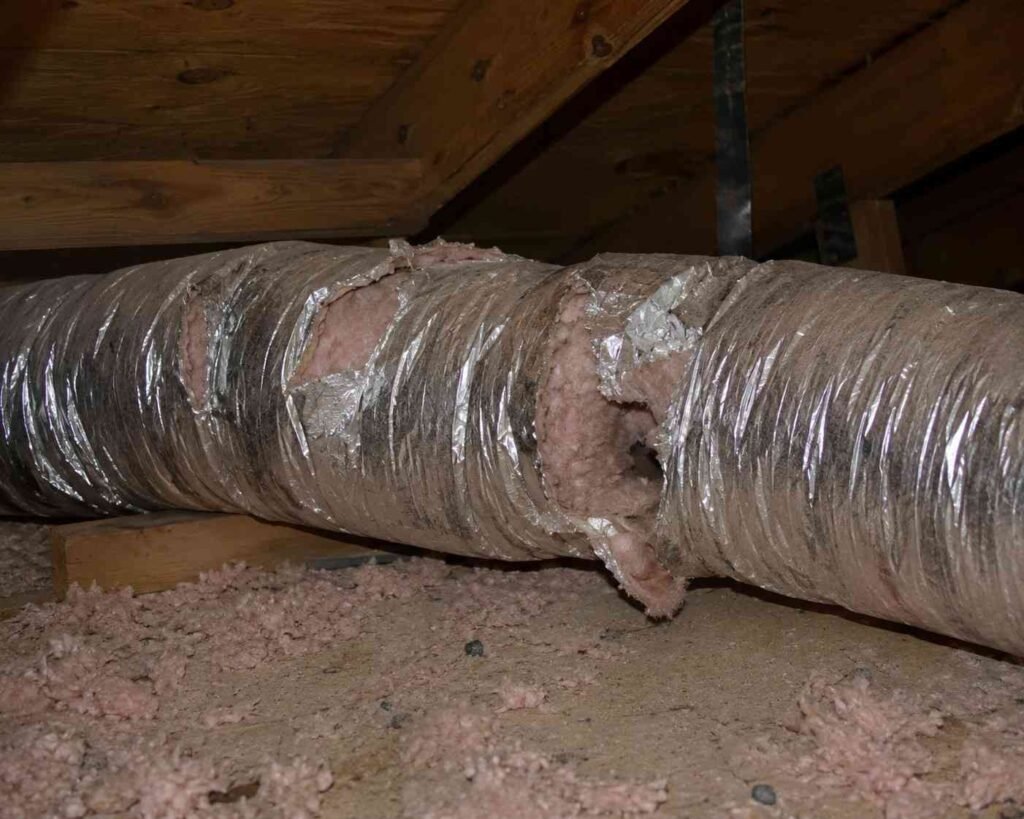
When we think about maintaining a healthy home, we often focus on clean floors and sanitized countertops. However, the most vital element for our health, the air we breathe is filtered through a hidden network of vents and channels that often remain out of sight. In Cambridge, where seasonal temperature shifts can put a heavy load on HVAC systems, the integrity of your ductwork is paramount. When these passages become damaged or disconnected, they do more than just leak air; they become a primary source of indoor environmental degradation.
Compromised ductwork can lead to a host of invisible problems that affect your comfort and long-term well-being. Below, we explore the six most common air quality issues caused by damaged air ducts and why addressing them is essential for a healthy household.
1. Rapid Contaminant and Particulate Accumulation
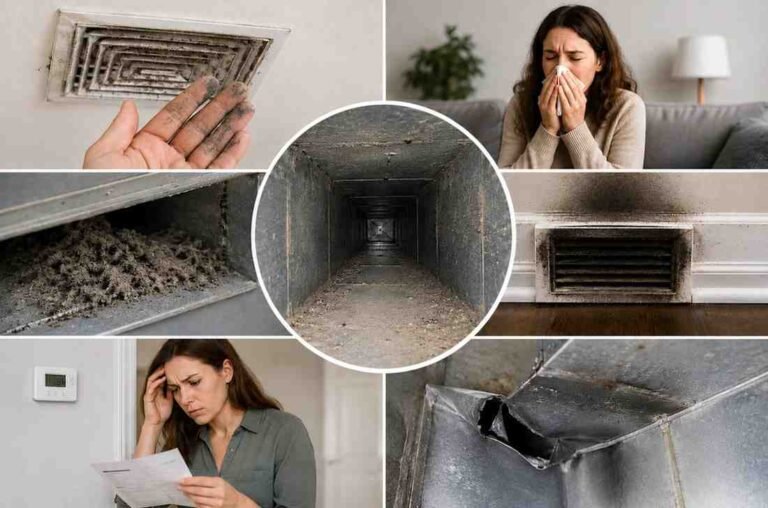
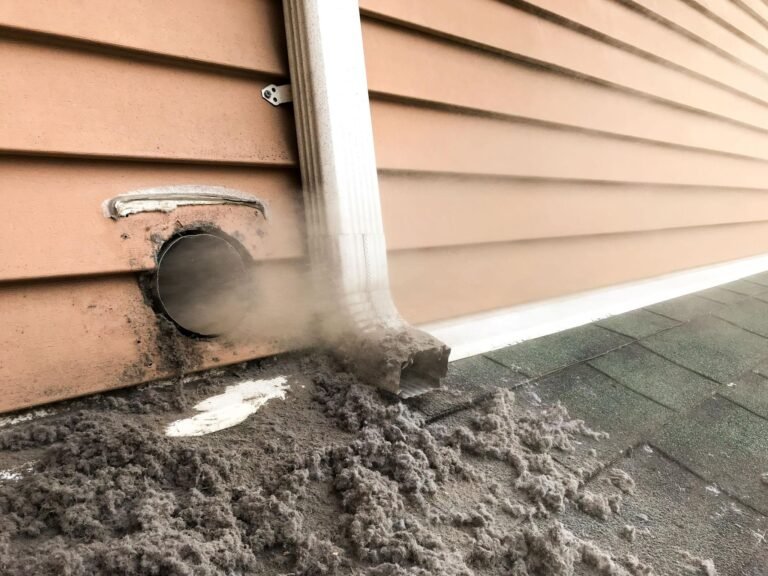
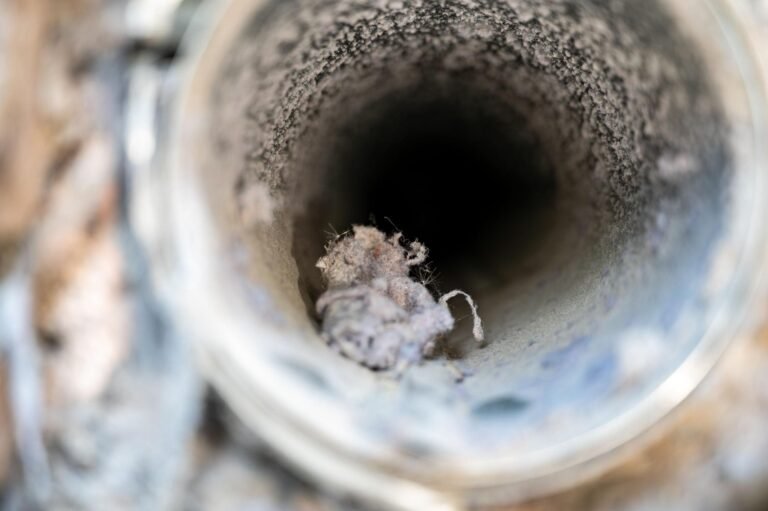
The most immediate consequence of damaged ductwork is the infiltration of unwanted particles. In a sealed system, air is pulled through a filter before being distributed. However, when ducts are punctured or separated, the system creates a vacuum effect, pulling unconditioned and unfiltered air from crawl spaces, attics, or wall voids directly into the airflow.
This air is often thick with insulation fibers, construction debris, and decades of accumulated dust. Once these particulates enter the stream, they are blasted into your living areas, settling on furniture and, more importantly, being inhaled by residents. Over time, this leads to increased sneezing, eye irritation, and a constant layer of dust that seems to return immediately after cleaning.
2. Mold and Fungal Proliferation
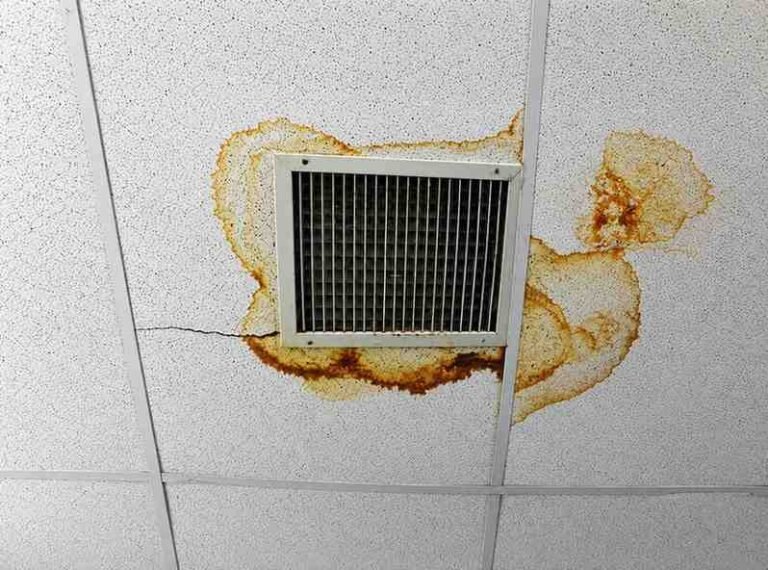
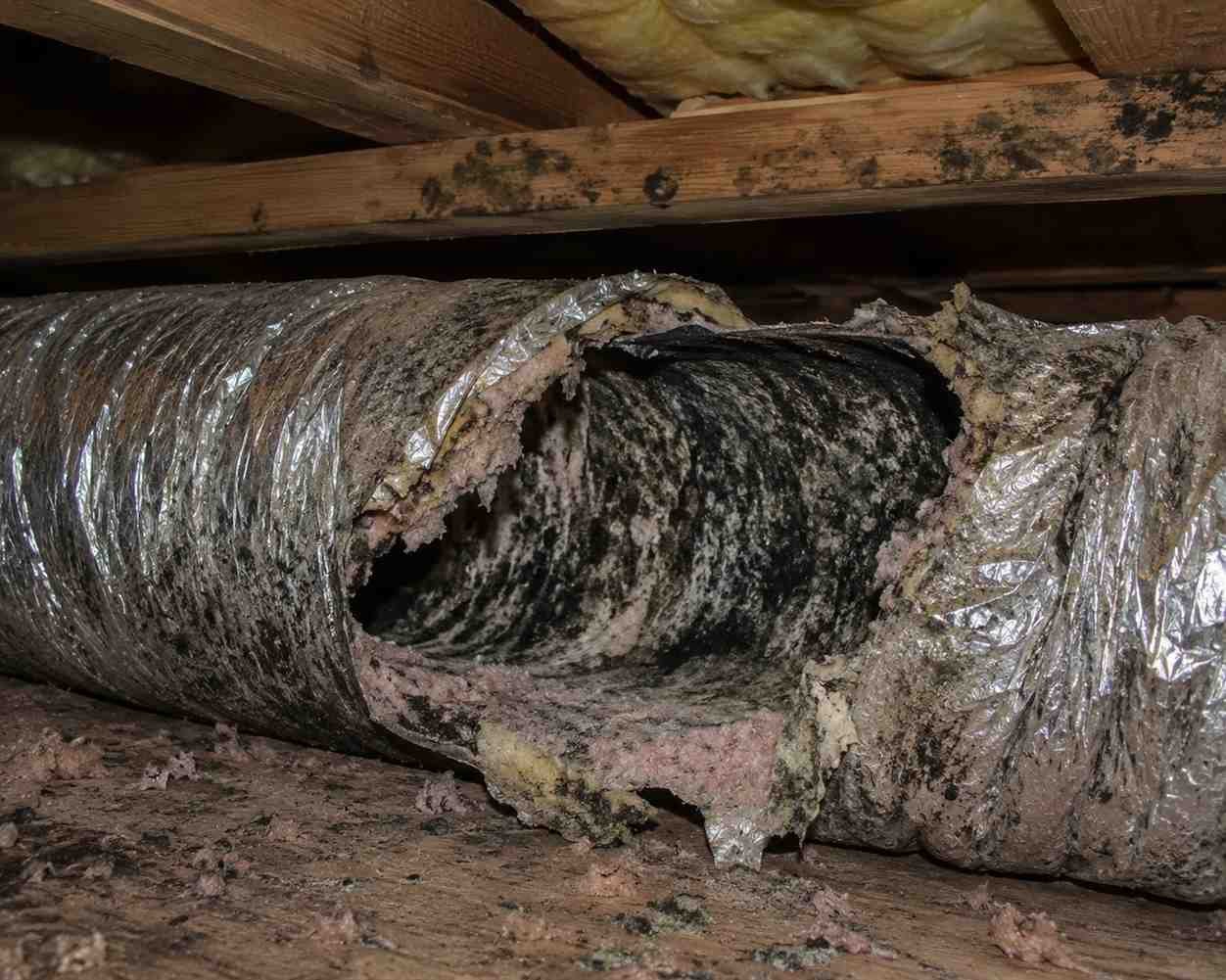
Mold is perhaps the most concerning air quality issue linked to damaged ventilation. For mold to thrive, it requires two things: moisture and a food source (like dust or organic debris). Damaged ducts often suffer from condensation issues, especially when cold air leaks into a warm attic or humid crawl space. This temperature differential creates localized “sweating” inside and outside the duct.
Once moisture takes hold in a dark, dusty environment, mold spores can colonize the interior lining. As the HVAC system cycles on, it acts as a delivery mechanism, spreading microscopic spores throughout every room. This can lead to persistent musty odors and significant respiratory distress for sensitive individuals. Ensuring a tight seal is vital to preventing the moisture traps that allow these colonies to form.
3. Infiltration of Outdoor Pollutants and Allergens
While we like to think of our homes as sanctuaries from the outside world, damaged ducts create a “highway” for outdoor pollutants. Pollen, smog, and industrial particulates can enter through gaps in the ductwork located near exterior vents or in poorly sealed garage spaces.
For allergy sufferers, this means that even with the windows closed, the “pollen count” inside the home remains high. The HVAC system, rather than acting as a purifier, becomes a circulator for seasonal allergens. Professional air duct repair in Cambridge can help bridge these gaps, ensuring that the only air entering your home is the air that has been properly filtered and conditioned.
4. Pest Infestations and Biological Waste
It doesn’t take a large hole for a pest to find a new home. Small rodents, cockroaches, and silverfish are often attracted to the warmth and shelter provided by HVAC channels. When ducts are damaged or disconnected, these pests gain easy entry.
The issue isn’t just the presence of the pests themselves, but the biological waste they leave behind. Droppings, urine, and nesting materials decompose within the ducts, and the resulting bacteria and allergens are swept into the air supply. This creates a significant health hazard and can lead to foul, unidentifiable odors that persist regardless of how much you clean your living rooms.
5. Increased Indoor Humidity and Humidity-Related Stress
Your air conditioner does more than just cool the air; it removes moisture. However, when ducts are damaged, they often fail to move air efficiently enough to maintain proper humidity levels. Furthermore, if return ducts are leaking, they may pull in humid air from damp basements or the outdoors, bypassing the dehumidification process entirely.
High humidity levels (typically above 50-60%) make the air feel “heavy” and “stuffy.” This environment is not only uncomfortable but also encourages the growth of dust mites one of the leading triggers for asthma and indoor allergies. Maintaining the structural integrity of your air path is essential for keeping the “closeness” of summer humidity out of your bedroom.
6. Carbon Monoxide and Backdrafting Risks
Perhaps the most serious risk associated with damaged ductwork involves the movement of combustion gases. In homes with gas-burning appliances like water heaters or furnaces, the ventilation system must maintain specific pressure balances. If return ducts have large leaks, they can create a powerful “pull” that exceeds the natural draft of a chimney or flue.
This phenomenon, known as backdrafting, can pull carbon monoxide, a colorless, odorless, and potentially lethal gas, back into the home’s living spaces instead of venting it safely outside. Airvance Solutions emphasizes that regular inspections of the physical duct structure are a critical safety measure, not just a matter of comfort.
Restoring Your Home’s Health
Addressing these issues requires more than just a surface-level cleaning. While removing dust is helpful, it is a temporary fix if the underlying structural damage remains. A comprehensive approach involves identifying the source of the leaks and ensuring that the entire system is airtight and properly insulated.
By investing in professional air duct repair in Cambridge, homeowners can significantly reduce the presence of allergens, prevent the growth of harmful mold, and ensure that their HVAC system is operating at peak efficiency. Clean, well-maintained ducts don’t just lower your energy bills; they provide the peace of mind that comes with knowing the air your family breathes is as pure as possible.
Whether you are dealing with persistent dust, strange odors, or inconsistent temperatures, the health of your home starts with the health of your ducts. Taking proactive steps today will lead to a more comfortable, safer, and fresher indoor environment for years to come.