When the temperature drops and the air turns crisp, there is nothing quite as comforting as the crackle of a warm fireplace. It is the heart of the home during the winter months, providing a cozy atmosphere and a reliable heat source. However, that comfort comes with a significant responsibility. Many homeowners overlook the hidden dangers lurking within their vent systems until a problem arises. Understanding the importance of maintenance and the role of a professional chimney sweep service is vital for protecting your property and your family.
In this guide, we will explore why regular maintenance is mandatory, answer common questions about different types of chimneys, and explain why hiring a clean sweep chimney service is a far safer bet than attempting a risky DIY project.
What is a Chimney Sweep?
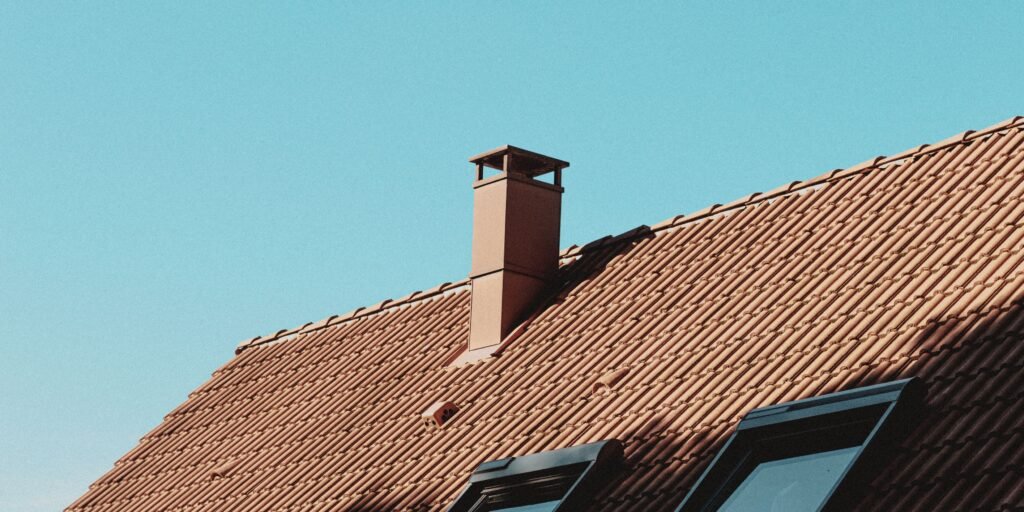
Before diving into the safety benefits, it is important to understand the profession itself. It is one of the oldest professions, focused on the removal of ash, soot, and creosote from chimney flues. While the image of a Victorian-era sweep with a hand brush is iconic, the modern sweep is a highly trained technician.
Today’s professionals use advanced technology to ensure your home remains safe. A modern chimney sweep service involves more than just brushing away soot; it includes comprehensive inspections of the masonry, the liner, the damper, and the exterior crown to identify structural weaknesses or fire hazards that the untrained eye would miss.
The Hidden Danger: Creosote Accumulation
The primary reason for scheduling regular maintenance is the removal of creosote. Creosote is a dark, tar-like substance that is a byproduct of burning wood. As smoke travels up the cool chimney, it condenses on the inner walls, creating a sticky layer that hardens over time.
Creosote is highly combustible. If the internal temperature of the flue gets high enough, this buildup can ignite, leading to a chimney fire. These fires are particularly dangerous because they can burn undetected inside the walls of your home before spreading to the roof or attic. Regular cleaning ensures this fuel source is removed before it becomes a hazard.
Essential Safety Benefits of Professional Cleaning
1. Preventing Carbon Monoxide Poisoning
Safety isn’t just about preventing fires; it’s about the air you breathe. A blocked chimney—whether from soot, bird nests, or fallen masonry—restricts the flow of exhaust gases. When these gases cannot exit through the roof, they back up into your living space. This includes carbon monoxide, an odorless, colorless “silent killer.” A professional sweep ensures the passage is clear, allowing toxic fumes to exit safely.
2. Early Detection of Structural Damage
Chimneys are constantly exposed to extreme heat and harsh weather. Over time, the chimney liner can crack, or the mortar between bricks can deteriorate. During a standard service, a technician will use specialized chimney sweep tools such as high-resolution cameras to inspect the interior of the flue. Catching these cracks early prevents water damage and costly rebuilds down the road.
3. Improving Heating Efficiency
A clean chimney “draws” better. When the flue is clear, oxygen can reach the fire more efficiently, resulting in a hotter, cleaner burn. This means you use less wood to achieve the same level of warmth, saving you money on fuel costs throughout the season.
Tips for Maintaining a Safer Fireplace
While a professional chimney sweep service is essential once a year, there are steps you can take between visits to keep your home safe:
- Burn Seasoned Wood: Only burn wood that has been dried for at least six to twelve months. “Green” or wet wood produces significantly more smoke and accelerates creosote buildup.
- Use Hardwoods: Whenever possible, burn hardwoods like oak, maple, or hickory. They burn hotter and cleaner than softwoods like pine.
- Clear the Ash: Regularly remove ash from the firebox once it has cooled. Too much ash can restrict airflow to the logs.
- Install a Chimney Cap: A high-quality cap with a mesh screen prevents animals from entering and keeps rain from damaging the interior of your flue.
- Monitor Your Alarms: Ensure you have working smoke and carbon monoxide detectors on every level of your home, especially near sleeping areas.
Do Gas Chimneys Need to be Cleaned?
Many people assume that because gas burns cleaner than wood, they can skip the maintenance. However, you should ask yourself: do gas chimneys need to be cleaned? The answer is yes. While gas fireplaces don’t produce creosote, they do produce water vapor and acidic salts. These byproducts can corrode the chimney liner over time. Furthermore, gas vents are still susceptible to blockages from debris or bird nests. An annual check by a clean sweep chimney service ensures that the pilot light, burners, and venting system are all functioning correctly and safely.
The Risks of Do It Yourself Chimney Cleaning
In an era of home improvement videos, many are tempted to try to do it yourself chimney cleaning. While you can purchase basic chimney sweep tools at local hardware stores, DIY cleaning is generally discouraged for several reasons:
- Incomplete Cleaning: Without professional brushes and high-powered vacuums, it is easy to leave behind dangerous patches of “glazed” creosote that are difficult to remove.
- The Mess Factor: Professional sweeps use specialized dust containment systems. A DIY attempt often results in fine soot particles covering your furniture and carpets.
- Missing the Inspection: A DIY kit doesn’t come with the expertise to spot a cracked liner or a failing chimney crown. Cleaning is only half the job; the inspection is what truly saves lives.
- Personal Safety: Climbing onto a roof with heavy equipment is inherently dangerous. Professionals have the safety gear and experience to work at heights securely.
Maintaining Your Chimney Between Professional Visits
While you should always rely on a professional chimney sweep service for the heavy lifting, there are things you can do to keep your system in good shape:
- Burn Seasoned Wood: Only burn wood that has been dried for at least six months. Green or wet wood produces significantly more smoke and creosote.
- Avoid Softwoods: Stick to hardwoods like oak or maple, which burn hotter and cleaner than pine or cedar.
- Clear the Ash: Regularly remove cold ashes from the firebox to ensure proper airflow.
- Install a Chimney Cap: A sturdy cap is the best defense against rain, snow, and curious animals looking for a place to nest.
Conclusion: Peace of Mind for Your Home
Hiring a professional chimney sweep service is a smart and affordable way to protect your home. It does more than remove soot. It helps make sure your chimney and ventilation system are safe, clean, and working properly. Regular maintenance lowers the risk of chimney fires and carbon monoxide problems. Do not wait until you notice smoke issues or fire damage. Follow expert advice on how often to clean your fireplace chimney to keep everything running safely. Your home is a valuable investment, and your family’s safety matters most. Regular professional chimney care gives you comfort, safety, and peace of mind.
Frequently Asked Questions
How often should you have your fireplace chimney cleaned?
Chimneys should be professionally cleaned and inspected at least once every year for safety and optimal performance.
What factors determine how often a chimney needs cleaning?
Cleaning frequency depends on fireplace usage, fuel type, creosote buildup levels, and overall chimney condition.
Can I clean my chimney myself, or should I hire a professional?
Hiring a professional ensures thorough cleaning, proper inspection, and reduced fire and safety risks.
What are the signs that your chimney needs cleaning?
Common signs include strong odors, excessive soot buildup, smoke backup, poor draft performance, and visible creosote accumulation.
What are the risks of skipping regular chimney cleaning and maintenance?
Neglecting chimney cleaning increases creosote buildup, raising fire hazards, carbon monoxide exposure risks, and costly structural damage.