If you have a fireplace in your home, you probably look forward to those chilly evenings when you can finally light a fire, grab a book, and relax. But behind that cozy glow is a complex venting system that requires regular attention. For many homeowners, the process of maintenance is a bit of a mystery. You might have heard the term, but what is a chimney sweep exactly, and what happens when a professional shows up at your door?
Modern chimney maintenance is a far cry from the old-fashioned images of people covered in soot carrying bundles of twigs. Today, it is a high-tech, clean, and highly essential service. When you hire professional chimney sweep services, you are investing in a comprehensive safety check that ensures your home is protected from fire, toxic gases, and structural decay.
In this guide, we will break down the entire process in simple terms, explaining exactly what a sweep involves and why it is so important for your household.
The Components: How Your Chimney Works
Before we get into the cleaning steps, it helps to understand what the technician is looking at. A chimney is a complex venting system made of several parts:
- The Firebox: The area where you build the fire.
- The Damper: A metal flap that you open to let smoke out and close when the fireplace isn’t in use.
- The Smoke Chamber: A sloped area above the damper that funnels smoke into the flue.
- The Flue: The vertical passage that leads smoke to the roof.
- The Chimney Cap: The “roof” on top of the chimney that keeps out rain, snow, and animals.
The Step-by-Step Process of a Chimney Sweep
A professional visit is methodical. It is designed to remove debris and soot without letting a single speck of dust enter your living room. Here is the typical workflow:
1. Pre-Service Inspection
The process begins with a visual check. The technician looks at the exterior of the chimney for cracks in the masonry or signs of water damage. They also check the firebox and damper to ensure they are functioning correctly. This initial look helps them identify if there are any major blockages, like a bird’s nest, before they start scrubbing.
2. Setting Up the “Safety Zone”
One of the biggest concerns for homeowners is the mess. Professional chimney sweep services prioritize cleanliness. They lay down heavy-duty drop cloths around the hearth and use specialized industrial vacuums (with HEPA filters) to ensure that soot and dust are sucked up immediately. They often “seal” the fireplace opening with plastic or a specialized cover to prevent any dust from escaping into your home.
3. Scrubbing the Flue
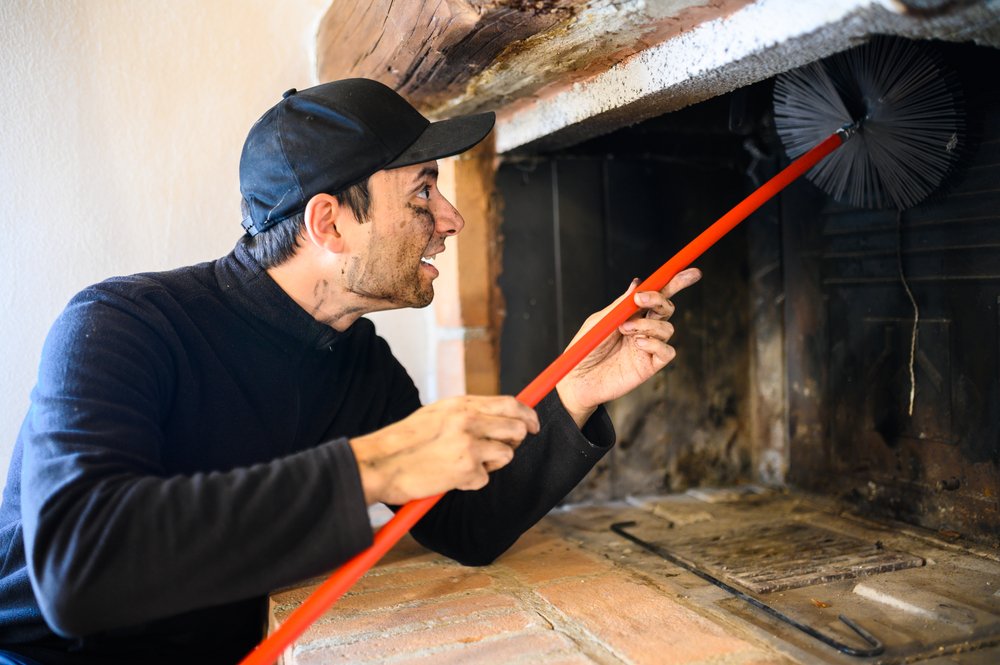
This is the core of the service. Using flexible rods and brushes sized specifically for your chimney, the sweep scrubs the walls of the flue. They move the brush up and down to scrape away creosote.
Creosote is a black, tar-like substance that builds up as wood smoke cools. It is highly flammable. If it isn’t removed, it can ignite and cause a chimney fire that can spread to the rest of your house. Removing this fuel source is the most important part of the job.
4. Cleaning the Smoke Chamber and Shelf
The area just above the damper of the smoke chamber often collects heavy piles of soot. The technician will use hand brushes and vacuum attachments to clear this area out. They also clean the “smoke shelf,” a flat ledge behind the damper that often catches fallen debris, rainwater, and dead leaves.
5. The Internal Video Scan
Most modern professionals now use a small camera on a long cable to inspect the inside of the flue. This allows them to see cracks in the liner, gaps in the mortar, or structural issues that are invisible to the naked eye. This “health check” is vital because a cracked liner can allow heat or sparks to reach the wooden frame of your home.
6. The Final Report and Cleanup
Once the cleaning and inspection are done, the technician will pack up their gear and provide you with a report. This will tell you if your chimney is safe to use or if repairs (like a new cap or masonry work) are needed. Finally, they leave your hearth as clean or cleaner than they found it.
Signs You Need to Call for Service
You shouldn’t wait for a problem to occur before booking a clean sweep chimney service. However, if you notice any of the following, you should call a professional immediately:
- Smoke entering the room: This usually means there is a blockage or the flue is too dirty to “draw” the smoke up.
- A strong, campfire smell: Even when there isn’t a fire, a strong odor indicates a heavy buildup of creosote.
- Visible soot or “flakes”: If you see black, crusty material falling into your firebox, your chimney is overdue for a scrub.
- Trouble starting fires: If your fires won’t stay lit or seem sluggish, the airflow is likely restricted.
How Often Should This Be Done?
As a general rule, you should have your chimney swept and inspected once a year, usually in the fall before you start using it for the winter. This ensures that any animals that might have nested there during the summer are cleared out and any damage from summer storms is repaired.
If you use your fireplace very frequently for example, if it is your primary source of heat you might need chimney sweep services twice a year. Burning wood creates a lot of soot, and it builds up faster than you might think.
Why a Professional Visit is Essential
You might wonder, “Can I do it yourself, chimney sweep?” While there are brushes available for purchase, a professional brings tools and expertise that are hard to replicate. Professionals follow safety standards set by organizations like the NFPA (National Fire Protection Association) and the CSIA (Chimney Safety Institute of America).
When you hire a better chimney sweep, you are paying for an inspection as much as a cleaning. They use high-tech cameras to look inside the flue for cracks or structural damage that the naked eye can’t see. Identifying these problems early can save you thousands of dollars in repairs later on.
Tips for a Healthier Fireplace
After you’ve had a professional cleaning, you can keep your system in good shape by following these simple rules:
- Only burn seasoned wood: Dry, “cured” wood burns much cleaner than “green” or wet wood. This significantly slows down the buildup of creosote.
- Avoid softwoods: Wood like pine contains a lot of sap, which creates more soot. Hardwoods like oak or maple are much better for your chimney.
- Keep the damper closed: When you aren’t using the fireplace, keep the damper shut to prevent moisture and debris from getting in.
- Install a cap: If you don’t have a chimney cap, get one. It is the best way to keep squirrels, birds, and rain out of your grip.
Conclusion: Peace of Mind for Your Home
So, what is a chimney sweep? It is more than just a cleaning; it is a vital safety service that protects your home and your family. By clearing away flammable creosote and checking for hidden structural damage, a professional sweep ensures that your fireplace remains a source of joy rather than a source of worry.
When you invest in a better chimney sweep, you are ensuring that your venting system is clear, your air is safe to breathe, and your home is ready for those cold winter nights. Don’t wait for a smoky living room or a dangerous fire to tell you something is wrong. Make an annual sweep a part of your home maintenance routine, and enjoy the warmth of your hearth with total confidence.
Frequently Asked Questions
How often should you sweep a chimney?
You should schedule a professional visit once every year to ensure your venting system remains clear and fully functional.
How long does it take to sweep a chimney?
A standard appointment usually lasts about one hour, including the full setup, the cleaning process, and the final inspection.
Can you sweep your own chimney?
While possible, hiring experts is safer because they have specialized tools to find hidden cracks and prevent a huge mess.
What happens if you don’t sweep your chimney?
Ignoring maintenance leads to dangerous creosote buildup, which significantly increases the risk of house fires and carbon monoxide poisoning.
Is a chimney inspection included in a sweep?
Every standard sweep service includes a visual inspection to check for structural damage, blockages, and overall safety of your system.