Your HVAC system is responsible for maintaining a comfortable indoor environment, but the equipment alone cannot guarantee consistent performance. The ductwork—often hidden behind walls, ceilings, and floors plays an equally important role. When ducts are damaged, leaking, or poorly installed, conditioned air may not reach its intended destinations. The result is uneven temperatures, weak airflow, and rising energy costs. Understanding the value of HVAC duct repair can help restore proper air distribution and overall system efficiency.
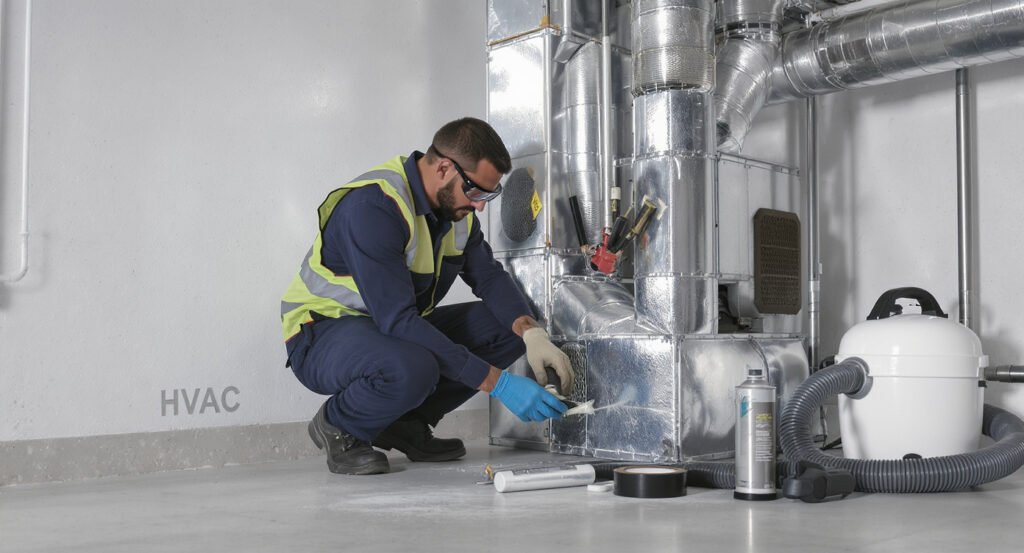
Many homeowners and business owners assume airflow issues mean the HVAC unit is failing. In reality, problems within the duct system are a common cause. Professional hvac duct repair addresses leaks, blockages, loose connections, and insulation damage that disrupt airflow. Repairing these issues allows your HVAC system to deliver balanced heating and cooling throughout the property.
Understanding the Role of HVAC Duct Repair
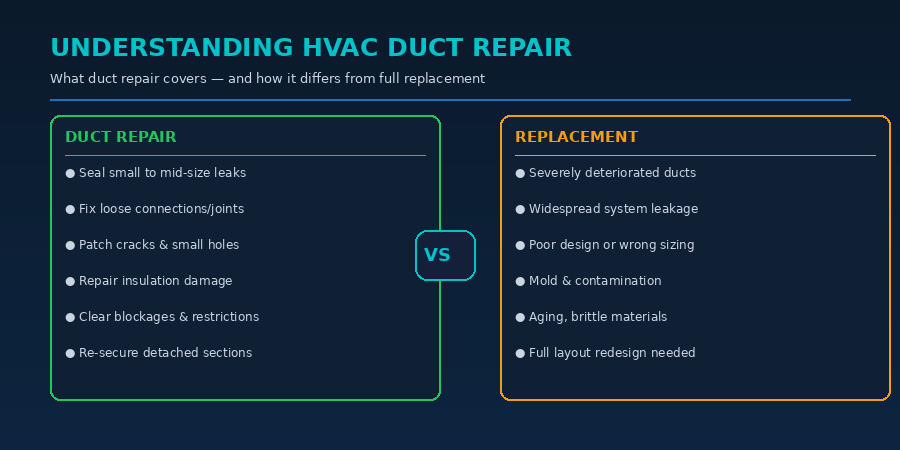
Many homeowners ask, what is air duct replacement and how it differs from simple repairs. Air duct replacement involves removing old, inefficient, or damaged ductwork and installing new ducts designed to improve airflow and HVAC performance.
Unlike minor fixes such as sealing small leaks, replacement typically addresses larger concerns like:
- Severely deteriorated ducts
- Extensive air leakage
- Poor duct design or sizing
- Mold or contamination
- Aging materials
Modern duct systems are built for better insulation, tighter sealing, and improved airflow efficiency. Replacement may involve upgrading specific sections or the entire duct network, depending on the condition of the system.
The primary goal of replacement is to ensure that conditioned air travels efficiently from the HVAC unit to each room without unnecessary loss. Properly installed ducts help stabilize indoor temperatures, reduce system strain, and improve air circulation. In many cases, homeowners notice improved comfort and energy efficiency shortly after replacement.
Why Air Distribution Problems Never Be Ignored?
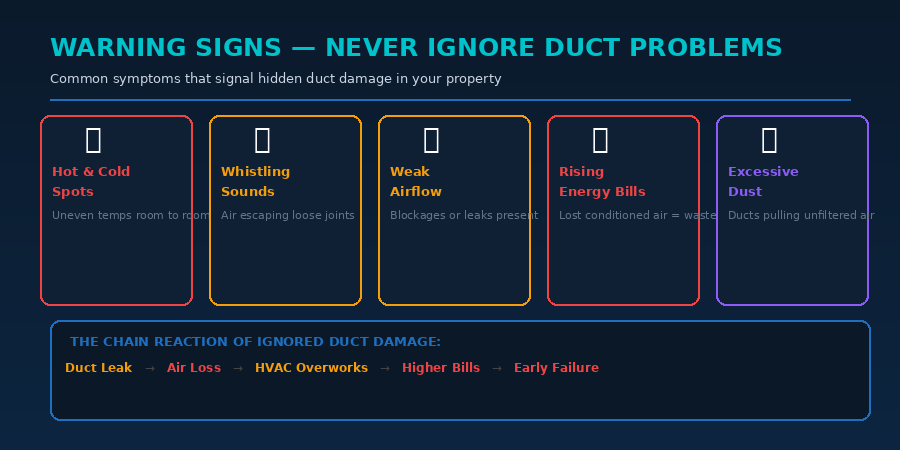
Uneven temperatures, weak airflow, rising energy bills, and rooms that never feel comfortable are often symptoms of hidden duct issues. Many homeowners assume the HVAC unit itself is failing, but in reality, the duct system is frequently the root cause. Ducts are responsible for delivering conditioned air throughout the property, and even minor leaks or blockages can disrupt the entire balance of the system.
When duct damage goes untreated, your HVAC equipment works harder than necessary. This added strain can shorten system lifespan, reduce efficiency, and create comfort inconsistencies that worsen over time. Poor duct performance may also contribute to indoor air quality concerns by allowing dust, insulation particles, or contaminants to circulate.
Common warning signs include:
- Hot and cold spots across rooms
- Whistling or rattling sounds
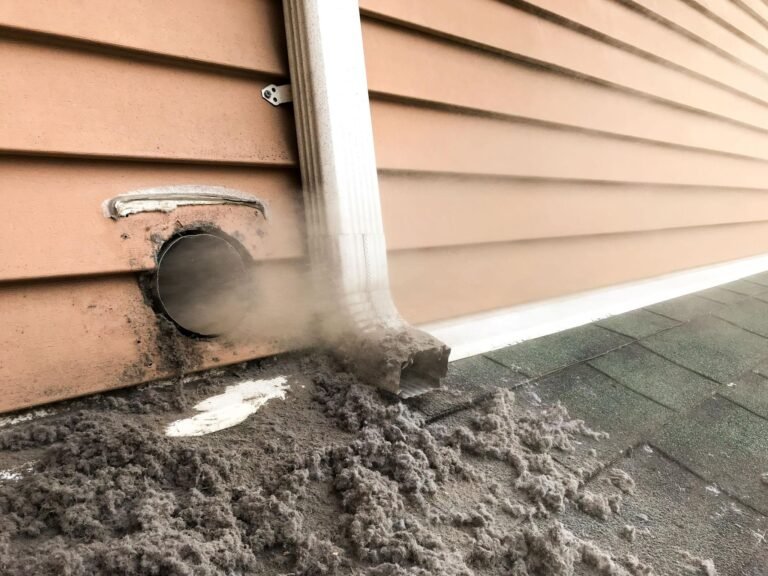
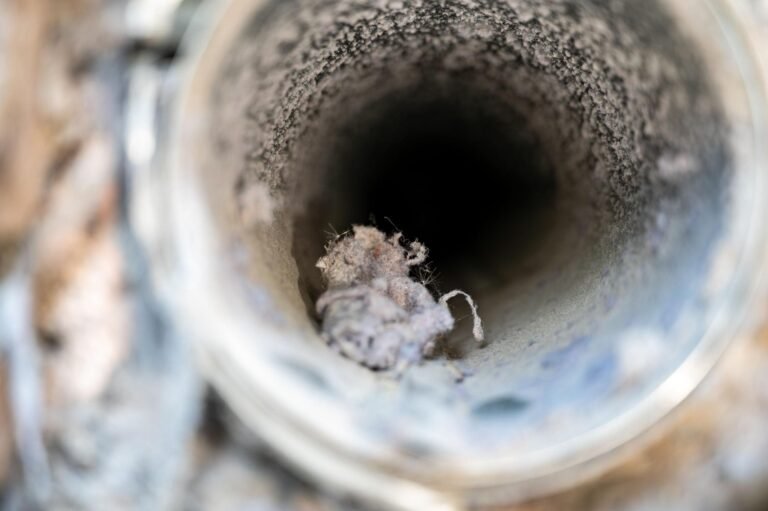
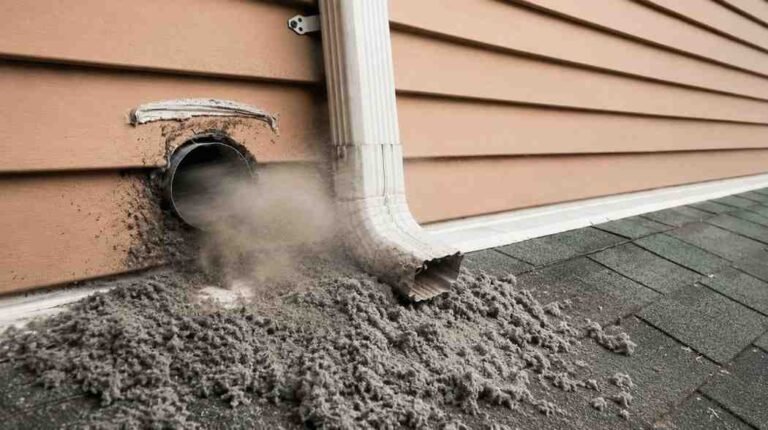
- Excessive dust buildup
- Unexpected spikes in utility costs
- Weak airflow from vents
Addressing these symptoms early with targeted repairs prevents larger mechanical failures and helps maintain both comfort and efficiency.
How HVAC Duct Repair Improves System Performance
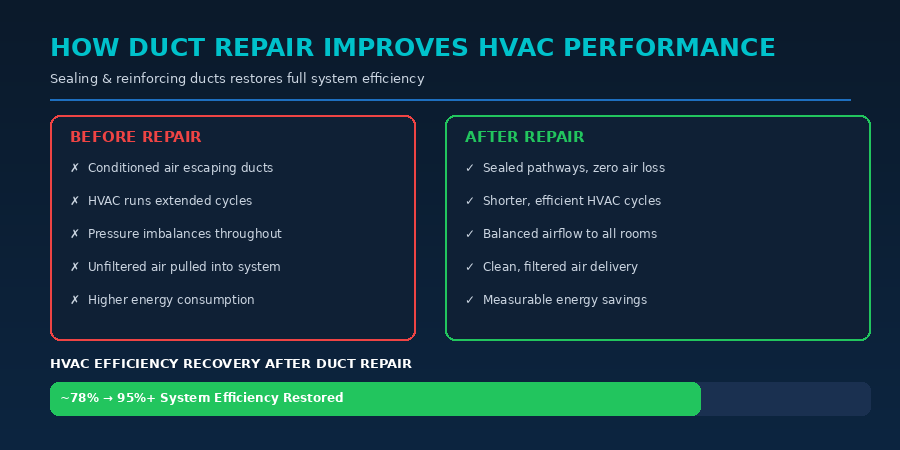
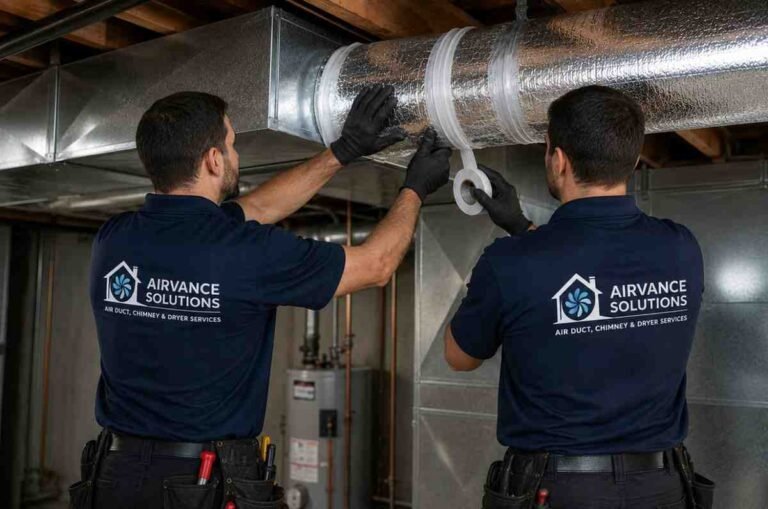
Professional hvac duct repair directly restores proper airflow, pressure balance, and temperature consistency. When ducts develop leaks, cracks, or disconnected sections, conditioned air escapes before reaching intended spaces. This forces the system to run longer cycles, increasing wear and energy consumption.
Leaky ducts can lose a significant percentage of heated or cooled air, especially in attics, basements, or crawlspaces. Even small gaps compound into measurable efficiency losses. Proper sealing and reinforcement return the system to its designed capacity.
Additionally, restored ducts eliminate pressure imbalances that may pull in unfiltered air from surrounding cavities. This not only affects comfort but also introduces unwanted particles into the breathing environment. Effective repairs bring both operational and air quality benefits.
When HVAC Duct Installation Is Necessary
In some cases, repairs alone may not resolve airflow problems. Outdated or poorly designed systems may benefit from partial or full hvac duct installation. Modern duct systems are designed to maximize efficiency, reduce noise, and ensure balanced air delivery.
New duct installation can improve:
- Energy efficiency
- Airflow consistency
- Temperature control
- Indoor comfort
Mold in HVAC Ducts: A Critical Issue
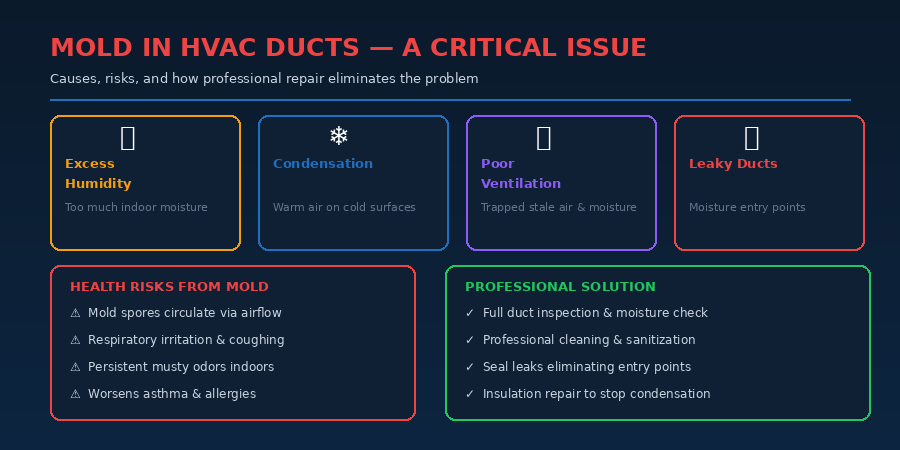
Moisture within ductwork can lead to mold in hvac ducts, which poses risks to both air quality and occupant health. Mold spores may circulate throughout the property, contributing to respiratory irritation and persistent odors.
Causes of Mold Growth
- Excess Humidity
Excess humidity means too much moisture indoors, causing discomfort, mold growth, musty odors, reduced efficiency, and added strain on HVAC systems. - Condensation
Condensation forms when warm air meets cold surfaces, creating moisture buildup that can damage ducts, insulation, ceilings, and encourage mold growth. - Poor Ventilation
Poor ventilation restricts fresh air exchange, trapping pollutants, odors, and moisture, leading to stale air, humidity imbalance, and discomfort indoors. - Leaky Ducts
Leaky ducts allow conditioned air to escape, reducing efficiency, weakening airflow, increasing bills, and drawing dust, pollutants, and moisture inside.
Professional inspection, cleaning, and repair help eliminate moisture sources and prevent recurrence.
The Connection Between Duct Damage and Indoor Air Quality
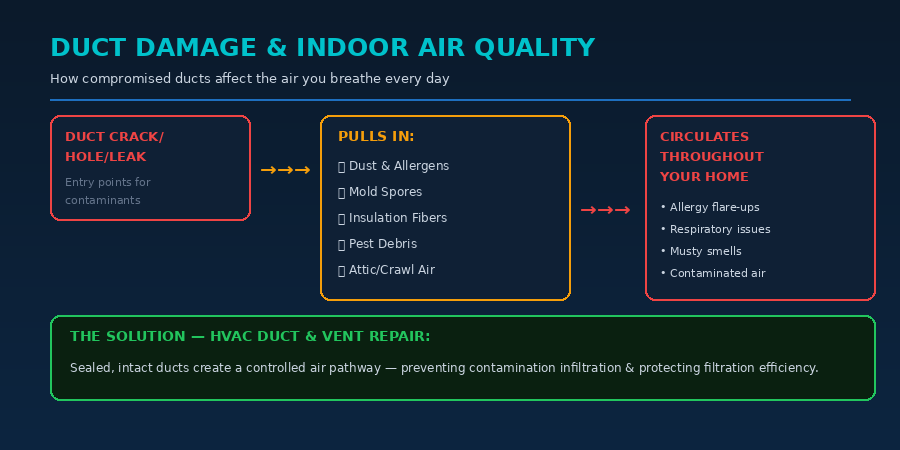
Compromised ducts don’t just waste energy, they can affect the air you breathe. Cracks, holes, or loose joints allow contaminants to enter the system. Dust, allergens, insulation fibers, and even mold in hvac ducts may circulate throughout living spaces when ducts are damaged or improperly sealed.
Moisture entering ducts creates an ideal environment for microbial growth. Once present, mold spores may spread through airflow, impacting sensitive occupants. Musty smells or unexplained respiratory irritation often signal deeper duct-related concerns.
Proper hvac duct & vent repair helps maintain a sealed, controlled air pathway. This prevents unconditioned air infiltration and supports filtration efficiency. Clean, intact ducts protect the HVAC system from contamination buildup that can degrade performance.
Maintaining duct integrity is therefore critical not only for comfort but also for healthier indoor environments.
Final Thoughts
HVAC duct repair is vital for restoring proper air distribution, improving indoor comfort, and maintaining system efficiency. Damaged or leaking ducts can disrupt airflow, create uneven temperatures, and increase energy consumption. Addressing issues such as leaks, blockages, insulation damage, and mold concerns ensures that conditioned air flows smoothly and reaches every space effectively. Timely professional repairs not only enhance heating and cooling performance but also reduce unnecessary strain on HVAC components. By correcting ductwork problems early, property owners can lower utility costs, extend system lifespan, and support healthier indoor air quality and consistent comfort year-round.